Apple in 2026: iPhone Fold, LLM Siri, affordable MacBook and more

If the rumors are true, 2026 will be a pivotal year for Apple. We expect the first foldable iPhone Fold, a completely new smart home device, improved displays, and possibly the first MacBook Pro OLED as well as the first AI glasses.
Apple will split the release of its iPhone models, introduce a more affordable MacBook, and unveil a significantly smarter, LLM-based version of Siri. Here’s all the information and rumors currently known about Apple’s new products for 2026.
iPhones
While we’ll get an affordable iPhone 17e in 2026, the iPhone 18, which is usually sold alongside the iPhone 18 Pro models, is rumored to be released in 2027. This means there won’t be a standard iPhone 18 in 2026. Apple will unveil the iPhone Fold and the iPhone Pro models in September 2026. So, anyone wanting a brand-new model in 2026 should expect to pay more.
Apple iPhone 17e (Early 2026)
An iPhone 17e is expected in early 2026. It could feature a redesigned look with narrower bezels and a Dynamic Island instead of a notch, giving it a more modern appearance that better fits with the iPhone 17 series. Another rumor suggests it will have narrower bezels but no Dynamic Island, instead featuring a notch.

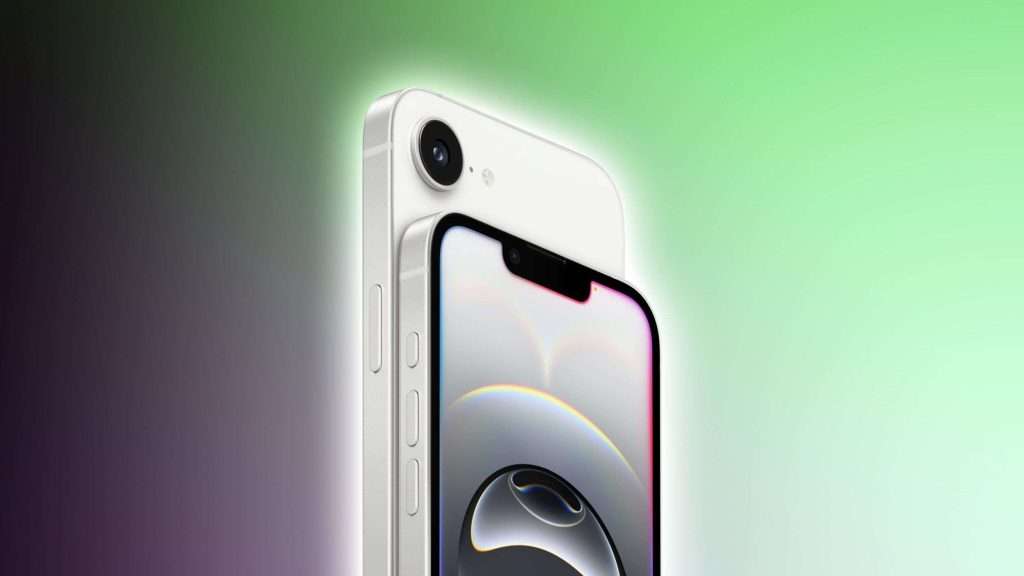
While the iPhone 16e did not have a magnetic ring for attaching to MagSafe chargers, the iPhone 17e could feature MagSafe compatibility.
Apple iPhone 18 Pro (September 2026)
The iPhone 18 Pro models will resemble the iPhone 17 Pro models very closely, but thanks to the new Face ID technology, there could be some changes to the display. We expect the same size options of 6.3 inches and 6.9 inches, with the same bezels, display quality, and rear camera setup with the camera platform introduced in 2025.

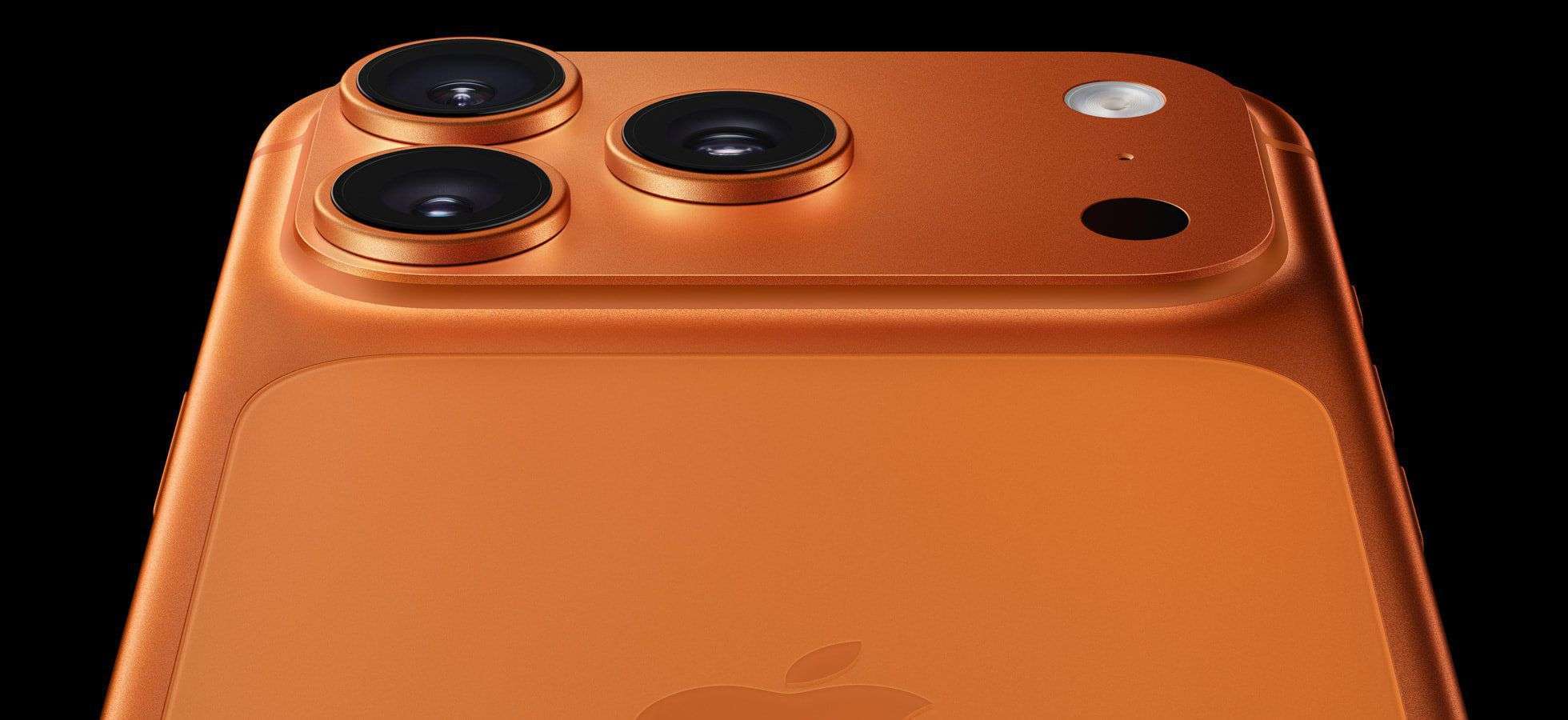
Apple may have finally found a solution for Face ID under the iPhone display. Therefore, 2026 could be the year the Dynamic Island disappears, creating more screen space. Rumors suggest that the Face ID components will be built under the display, with a cutout for the camera in the top left corner. The design will differ significantly from the iPhone 17 Pro models. If the Dynamic Island is indeed removed, there will be some functional limitations. Apple uses the Dynamic Island to display live activity and other important notifications.
Rumors suggest the iPhone 18 Pro Max might be slightly thicker than the iPhone 17 Pro MaxFurthermore, there’s a possibility that Apple will use frosted glass for the MagSafe charging area to reduce the two-tone effect between the glass and aluminum frame. Burgundy, brown, and purple are rumored as possible color options, but Apple is expected to choose a color that complements more traditional options like silver.
With the iPhone 18 Pro models, Apple is expected to unveil its first chip based on the new 2-nanometer technology: the A20. Thanks to an optimized manufacturing process, the A20 chip could be up to 15 percent faster and up to 30 percent more energy-efficient than the A19, potentially resulting in longer battery life. Rumors also suggest that Apple will use a new packaging technology (Wafer-Level Multi-Chip Module, WL-MCM).
Apple currently uses a system-on-a-chip (SoC) that integrates the CPU, GPU, Neural Engine, Secure Enclave, and other components such as the image signal processor onto a single chip. However, the system memory (RAM) is a separate chip that is added to the SoC during the packaging process. With WL-MCM technology for the A20, the RAM is added at the wafer level (before the wafer is sliced) instead of at the packaging level (after slicing), thus reducing interconnect latency.
With WL-MCM, the RAM is more closely integrated with the other chip components, which improves memory bandwidth, reduces latency, and increases efficiency.
The iPhone 18 Pro models will continue to feature a triple-camera system on the back, consisting of wide, ultra-wide, and telephoto lenses. However, rumors suggest Apple is planning to introduce a variable aperture. This would allow users to control the amount of light hitting the lens, thus improving low-light performance and offering better control over depth of field. All previous iPhones have had a fixed aperture.
Apple could redesign the iPhone’s camera control button, removing the swipe gestures and haptic feedback. The swipe gestures of the camera control button can easily lead to accidental changes in image settings while taking photos. While Apple added an option to disable the swipe function in iOS 26 following user complaints, the button might be better without this feature.
The iPhone 18 Pro could feature Apple’s C1X modem or an improved C2 modem with mmWave 5G support. Current iPhone 17 Pro models use Qualcomm modems, but Apple plans to roll out its own modem technology across the entire iPhone lineup. An N1 network chip with combined Wi-Fi 7, Bluetooth 6, and Thread is expected.
Apple iPhone Fold (September 2026)
The first foldable Apple iPhone Fold is scheduled to launch in September 2026, seven years after Samsung released its first foldable smartphone. The name has not yet been announced, but rumors suggest it will be called the Apple iPhone Fold.

Apple has opted for a book-style design, allowing the iPhone Fold to open and close like a book. When open, the display measures approximately 7.6 inches, and when closed, approximately 5.3 inches. It is intended to resemble an iPad mini when unfolded and will feature OLED display technology.


Apple places great emphasis on minimal thickness, so the foldable iPhone could measure only 4.5 mm when open, making it by far Apple’s thinnest device. When closed, the thickness would likely be between 9 mm and 9.5 mm.


The foldable Apple iPhone Fold will have neither a notch nor a Dynamic Island, and rumors suggest it may also lack Face ID. Apple could instead use a side-mounted Touch ID button, similar to the iPad. A selfie camera will be located in the upper left corner of the display, and there will also be two rear-facing cameras.
Apple placed great emphasis on ensuring that the iPhone Fold had no visible crease when opened. The company reportedly solved this problem through improvements to the display and a robust, durable hinge made of Liquidmetal. The crease is “virtually invisible” when unfolded.
Apple will use the 2-nanometer A20 chip for its iPhone models launching in fall 2026, including the Apple iPhone Fold. However, this won’t be cheap. Rumors suggest the price of the first foldable iPhone will be between $2,000 and $2,500 (€1,700 to €2,130). The latest information points to a higher price.
iPads
Several iPads will receive updates in 2026, but these will mostly be minor updates. The iPad mini is an exception, as rumors suggest an OLED display will be introduced. No iPad Pro has been announced for 2026; the next update is not expected until 2027.
Apple iPad (Spring 2026)
A 12th generation iPad could be released in spring 2026, likely in March. No design changes are expected; it will therefore still feature an 11-inch display with an edge-to-edge design, Touch ID, a side button, USB-C, and thicker bezels than other iPad models.


The next affordable iPad It is expected to be equipped with Apple’s A19 chip, the same chip that is also used in the iPhone 17 It is used. It is based on a 3-nanometer process and offers significant improvements in speed and efficiency compared to the A16 chip used in the current model.


The A16 chip, which Apple used in 2025, doesn’t support Apple Intelligence, but the A19 does. This represents a significant update for Apple’s affordable tablet. The 2026 model should support Apple Intelligence features that are not yet available in the 2025 model.
The A19 also offers hardware-accelerated ray tracing and similar features for an enhanced gaming experience. The 11th-generation iPad has 6GB of RAM, but Apple will need to upgrade this to 8GB for Apple Intelligence.
It is unusual for Apple to use such a new chip in its cheapest device, but the company may want to ensure that the iPad can keep up with all of Apple’s Intelligence features coming in 2026, such as the new version of Siri.
Apple iPad Air (Spring 2026)
The iPad Air is expected to receive an update in early 2026, around March/April. Rumors suggest no design changes are planned, so we can expect the 11-inch and 13-inch size options to remain. Apple will equip the iPad Air with the M4 chip. The M4 CPU is up to 30 percent faster than the M3 CPU, and the GPU is up to 21 percent faster.


In practical use, you may not notice a big difference between the M3 and the M4 on the iPad Air, however, you might notice slight improvements in system-intensive games and tasks such as video editing.
The iPad Pro also added a fast charging feature with the update to the M5 chip, something that might also make its way to the iPad Air. The iPad Air could also receive the N1 network chip and the C1X modem.
Apple iPad mini
The next generation of the iPad mini will according to rumors receive a significant technology upgrade: Apple is planning to introduce an OLED display. The iPad mini would be the second tablet with OLED technology after the iPad Pro.


In addition to an OLED display, the iPad mini 8 is expected to feature a more water-resistant design, better able to withstand splashes and even immersion in water. Apple is developing a vibration-based speaker system that generates sound through the display or the casing, thus eliminating the need for a conventional speaker.
With the surface vibration speaker, Apple could remove the speaker holes in the iPad mini and thus better protect it against moisture.
Leaked Apple code suggests that the iPad mini will be equipped with the A20 Pro chip. This next-generation chip is also expected to be used in the iPhone 18 Pro models. Therefore, if the iPad mini uses the same chip, it could be released around the same time as the iPhone 18 Pro.
Should Apple opt for the A19 Pro instead, the iPad mini could be released earlier this year. With OLED display technology and a more water-resistant design, the iPad mini 8 could be around €100/US$100 more expensive than the current model.
Macs
Apple will Mac series They plan to update the model with M5 chips at the beginning of the year and also release a new, lower-cost model. Later in the year, there’s a possibility we’ll see a MacBook Pro with an OLED display and an M6 chip.
Apple MacBook A18 Pro (Early 2026)
Apple is planning to release an affordable MacBook In 2026. The Apple MacBook A18 Pro is expected to be cheaper than the €1,099/$999 MacBook Air. With this affordable notebook, Apple aims to better compete with budget Chromebooks and Windows PCs.


Apple analyst Ming Chi Kuo It is assumed that the cheaper MacBook will have a display with a diagonal of approximately 13 inches. The MacBook Air has a 13.6-inch display, so the less expensive MacBook could be slightly smaller. However, it sounds like it won’t differ too much from the 13-inch MacBook Air.
There’s no word yet on the thickness of the Apple MacBook A18 Pro, but Apple is unlikely to prioritize a particularly thin design for a device optimized for a low price. Given that the MacBook Air, with its M-series chip and no fan, functions perfectly well in a chassis only 11.2 mm thick, there’s no reason why the MacBook should be any thicker.
The budget-friendly Apple MacBook A18 Pro will feature a standard LCD display without Mini-LED technology or ProMotion refresh rate. It could be available in vibrant colors like the iMac; Kuo speculates that Apple will offer it in silver, blue, pink, and yellow.
Apple plans to use the A18 Pro chip in the MacBook. The A18 Pro first appeared in the iPhone 16 Pro models for use. The chip is based on Apple’s second-generation 3-nanometer process, has 8 GB of RAM, and supports Apple Intelligence.
It is fast and efficient, handling everyday tasks with ease. In the Geekbench 6 benchmarks, the A18 Pro achieves single-core CPU performance on par with the M3 Ultra and multi-core performance that surpasses the M1 chip Apple used in the first MacBook Air with an Apple chipset. The Metal scores, which measure GPU performance, are also similar to those of the M1 chip.
The A18 Pro is on par with the M1 in some tasks and faster in others. Apple no longer sells the M1 MacBook Air in its own stores, but still offers it at Walmart in the US for $599.
So far, there are no concrete price details, but Bloomberg It claims it will cost “significantly less than $1,000”. The MacBook Air is available from €1,099/$999, so the price should be lower.
The cost-effective Apple MacBook A18 Pro It could be released in the first half of 2026. Updates are planned for the MacBook Air in early 2026, so the more affordable model could appear around the same time.
pple MacBook Air (Early 2026)
Apple is working on an updated MacBook Air. And according to rumors, it’s expected to be released in the first months of 2026. It will be equipped with the M5 chip, but no other new features are known. The design remains unchanged, and it will still be available in 13-inch and 15-inch sizes.


Based on the updates to the 14-inch MacBook Pro, it could also receive a faster SSD, and from 2025 onwards, there could be a new color option replacing the light blue.
Apple MacBook Pro (Early 2026)
It is expected that 14-inch and 16-inch MacBook Pro models with M5 Pro and M5 Max chips will be added to the MacBook Pro M5, which was launched in October 2025.

The M5 Pro and M5 Max models will feature more CPU cores and more powerful GPUs for improved performance. The chips will be available in both 14-inch and 16-inch devices. Apple is also expected to equip the new devices with faster SSDs.
As with the Apple MacBook Air, no design changes are expected for the update in early 2026. A comprehensive redesign is likely to arrive in the last months of 2026 or the first months of 2027.
Mac mini (Mid 2026)
A new version of the Mac mini with M5 and M5 Pro chips is in development. So far, there are no rumors about design changes or other updates, but the Mac mini could receive the same SSD improvements as Apple’s 14-inch MacBook Pro.
Apple Mac Studio (Mid 2026)
The Apple Mac Studio could be released around the same time as the Mac mini. While Apple hasn’t released an M4 Ultra chip, there will be an M5 Ultra.
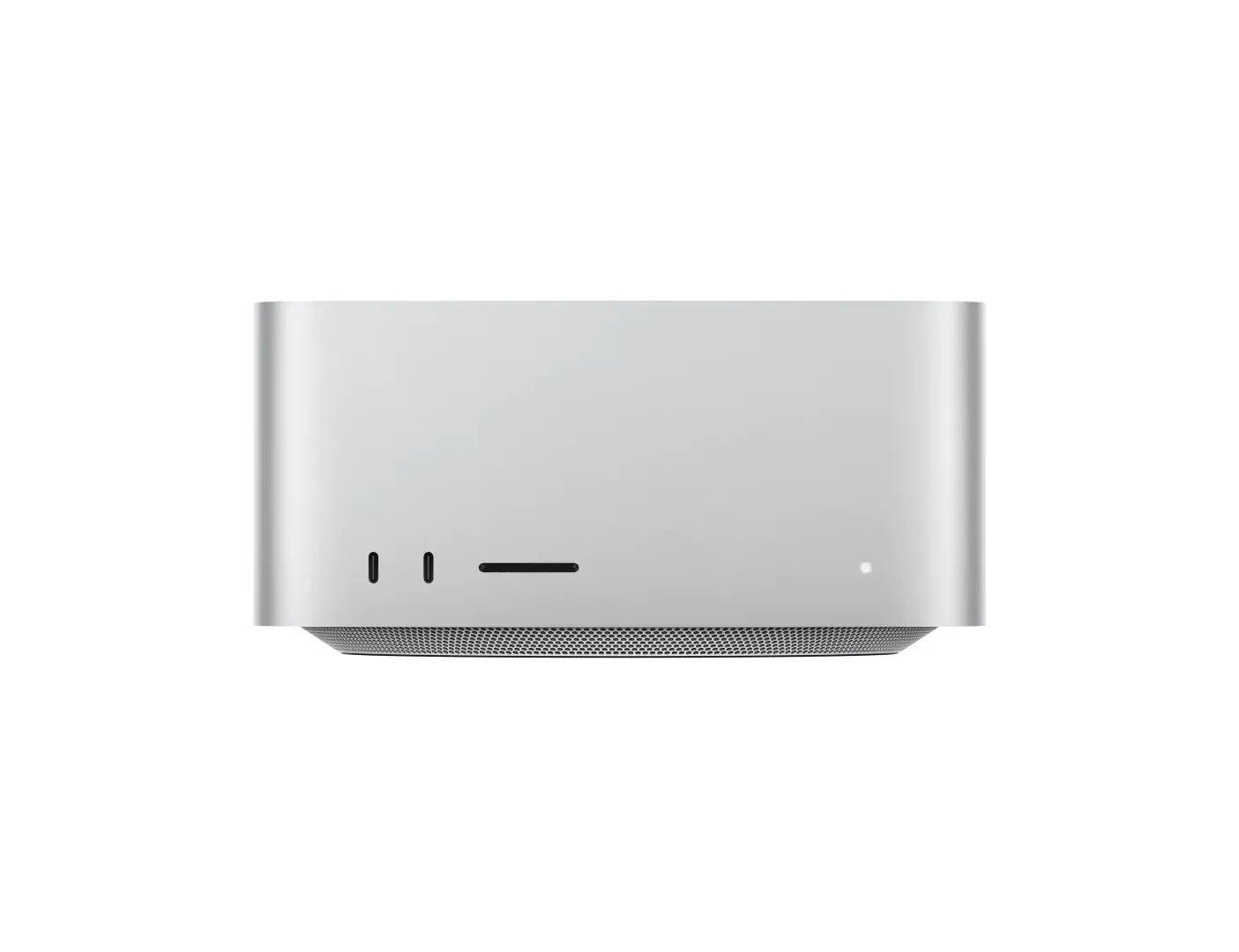
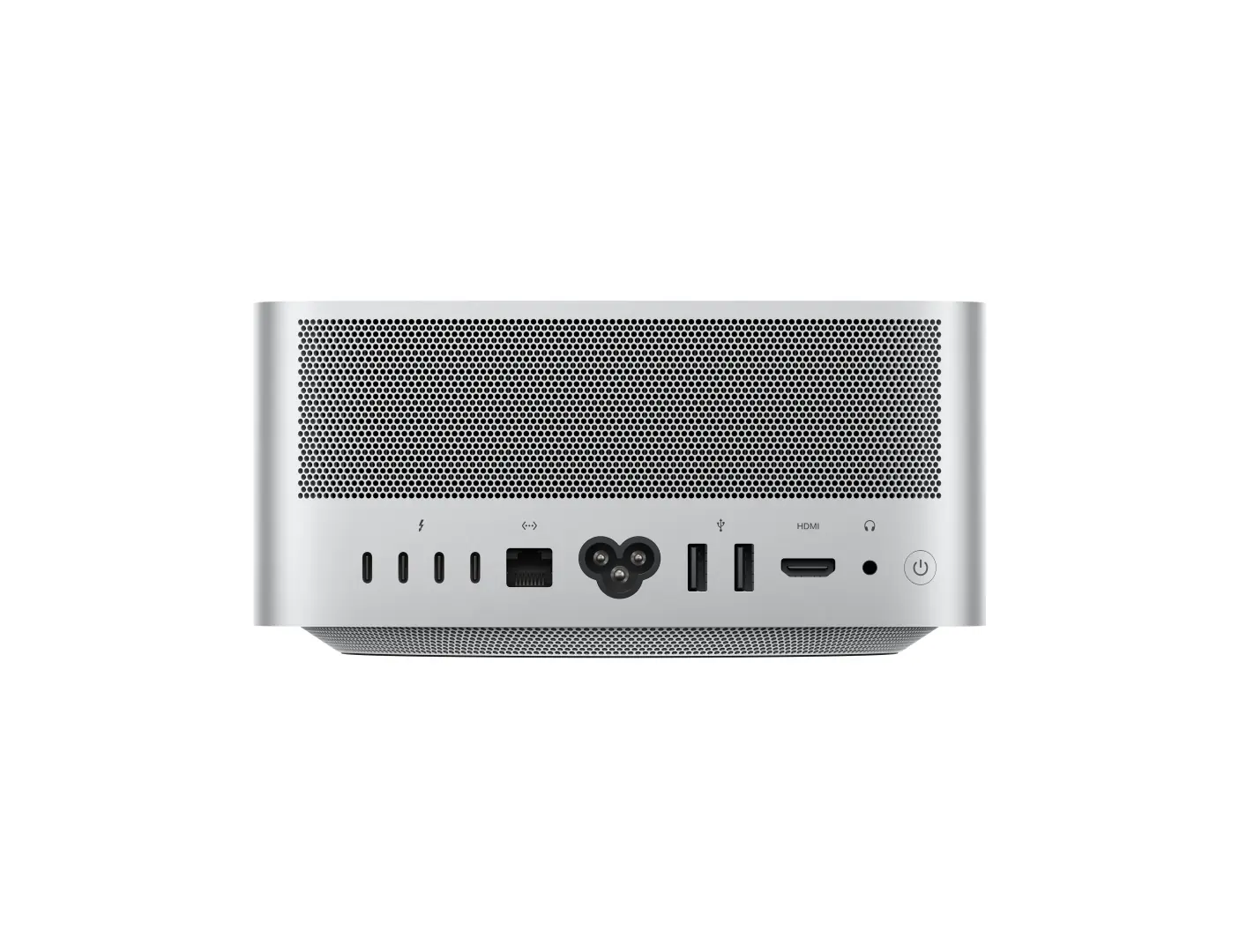
Around mid-2026, the Mac Studio will be equipped with M5 Max and M5 Ultra chip technology. The M5 Max offers significantly higher CPU and GPU performance than the M5, and the M5 Ultra is twice as powerful.
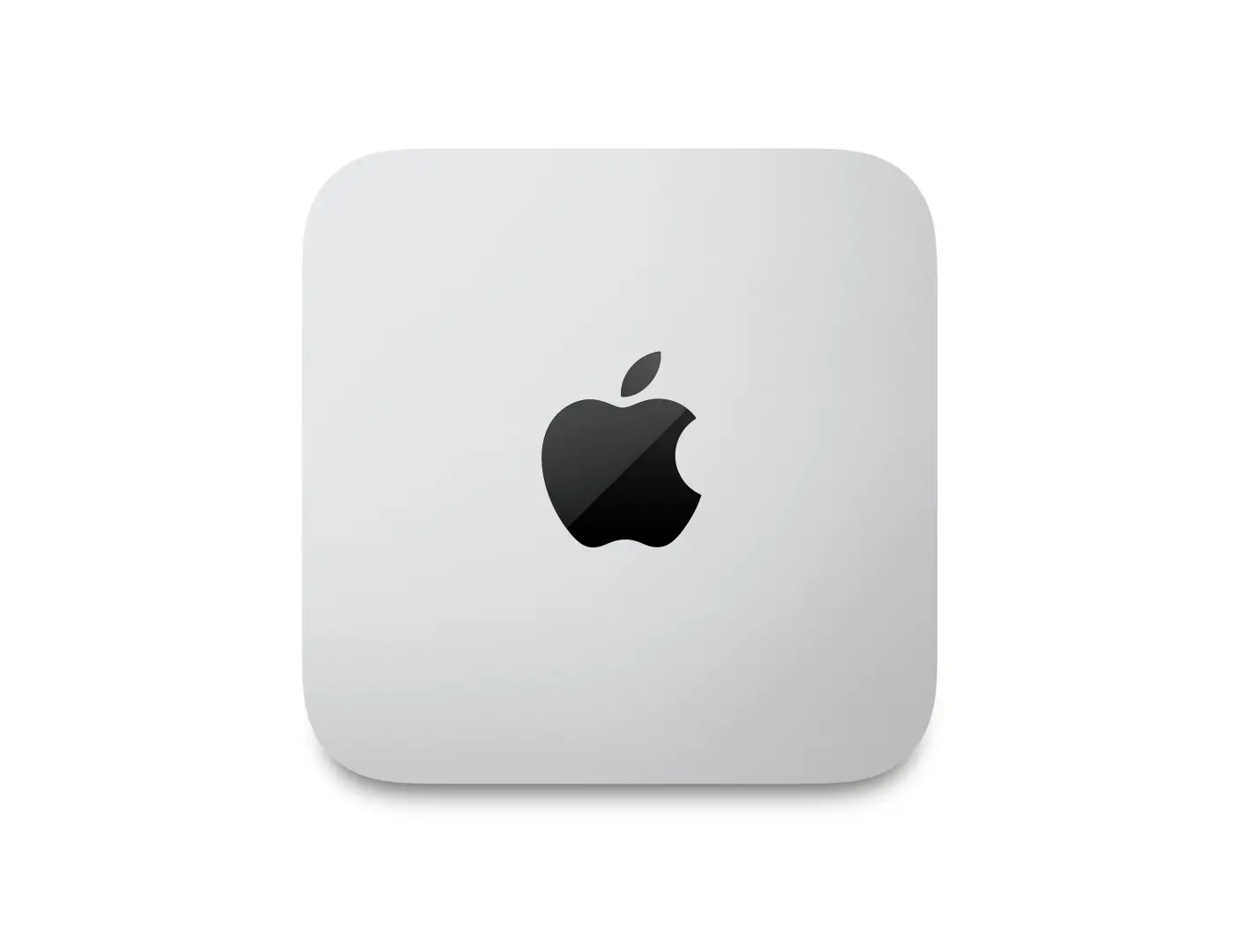
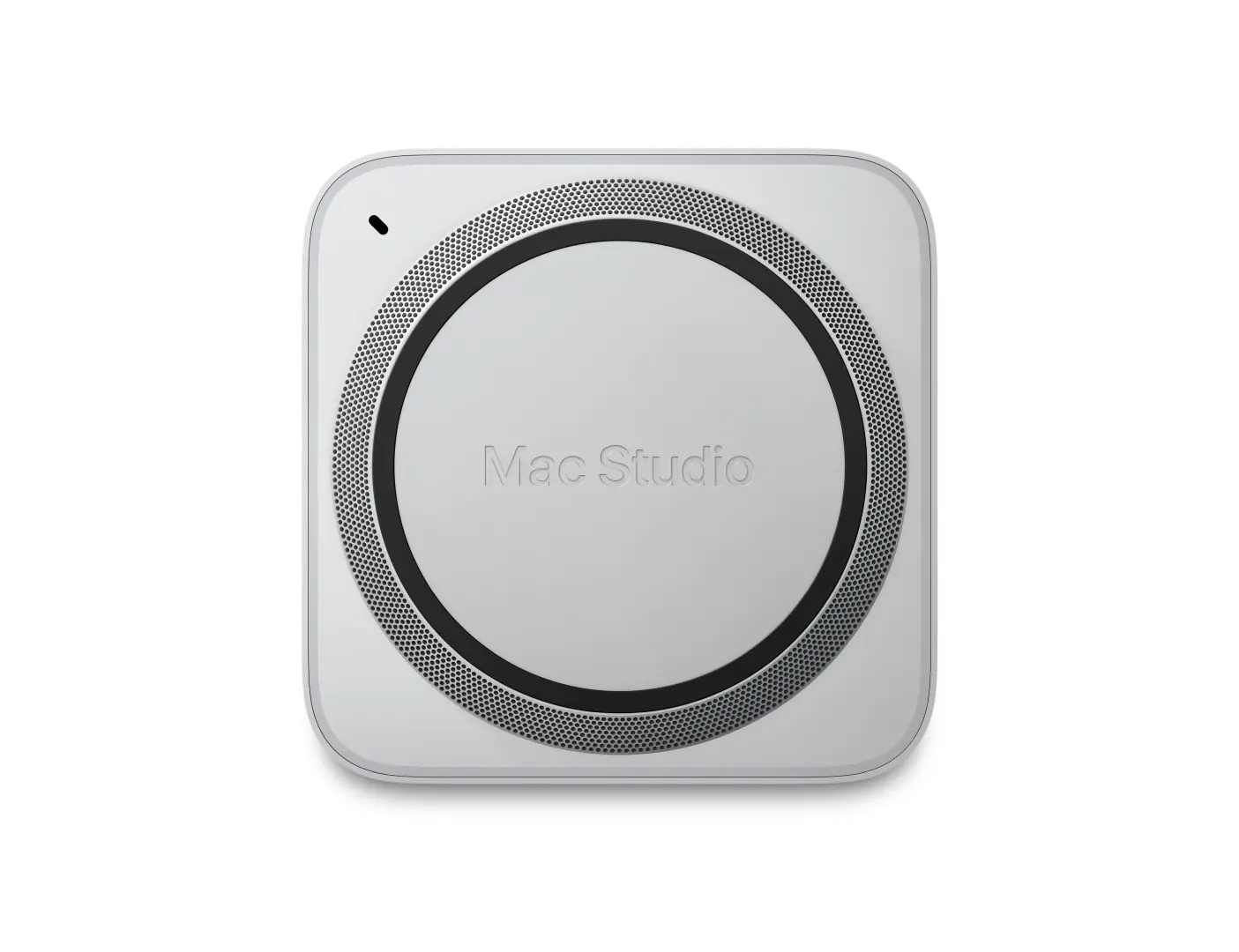
So far, we haven’t heard any rumors about design changes or other updates for the Mac Studio.
Apple Studio Display (Early to Mid 2026)
Since the launch of the Apple Studio Display in 2022, Apple hasn’t released a new display, but two new models are apparently in development, with a planned release in 2026.

The next generation of the Studio Display could have the same 27-inch screen size, but with mini-LED technology instead of LCD. Mini-LED offers improved HDR, brightness, contrast, and color reproduction. The current Studio Display is equipped with an A-series chip, and the next generation could feature the A19 Pro, which Apple used in the iPhone 17 Pro.
There are indeed two displays in development, but it’s unclear whether this is the next Studio Display in two sizes or a Studio Display and a more expensive successor to the Pro Display XDR.
MacBook Pro OLED (Late 2026/Early 2027)
Apple is developing a redesigned MacBook Pro with an OLED touchscreen, equipped with the next-generation M6 chip technology. Whether the device will launch in late 2026 or early 2027 is still unclear, but 2026 is certainly possible.


If the Apple MacBook Pro OLED Touch is indeed unveiled in late 2026, there would be two MacBook Pro models that year. Apple has done this before, launching the M2 Pro and M2 Max chips in early 2023 and the M3 chips later that year. However, such events are rare.
Rumors suggest the OLED MacBook Pro will feature a punch-hole camera without a notch, maximizing the available screen space. The design might resemble the iPhone’s Dynamic Island design, but there’s no indication Apple will introduce Face ID on the Mac. For the first time, the Mac screen will be touch-enabled, and Apple plans to use a reinforced hinge that remains stable when the display is touched and minimizes vibrations during touch gestures.
OLED technology offers higher brightness, a higher contrast ratio with deeper blacks and whiter whites, better color reproduction, and lower power consumption for longer battery life.
The MacBook’s design will also be updated, resulting in a thinner, lighter enclosure. The keyboard and trackpad will remain the same, with touch gestures expanding their existing functionality.
The M6 chip could be manufactured using TSMC’s 2-nanometer process, enabling speed and efficiency improvements for significantly longer battery life without sacrificing performance. The OLED MacBook Pro could also be the first MacBook with 5G connectivity, as Apple is reportedly using a C2 chip. The C2 chip is Apple’s rumored second-generation in-house modem, supporting mmWave and sub-6 GHz 5G speeds.
With an OLED display and touchscreen technology, the MacBook Pro could become more expensive. Apple might also restrict these features to higher-end, more expensive models.
Apple iMac M5 (Timing and Status Unknown)
The Apple iMac could receive an M5 chip sometime in 2026, but the exact timing is unclear. We haven’t heard anything about the iMac for a while, and there are also rumors of design changes or major updates. There have been vague rumors about an iMac with a larger display, but there’s no indication that such a Mac is still in active development.
Apple iMac M5 Max (Release Date Unknown)
Leaked internal software suggests that Apple is working on a new version of the iMac with an M5 Max chip. Max chips are typically reserved for the Pro models, so it’s quite possible that Apple is planning to launch a new iMac Pro sometime in 2026.


Nothing else is known about this mysterious Apple iMac M5 Max. It could also be a device that Apple is using exclusively for internal testing. If an Apple iMac M5 Max with a larger screen is in the works, it could feature Mini-LED display technology, similar to the rumored Studio Display 2. The size is still unclear, but it would presumably be larger than the standard 24-inch iMac.
Apple Mac Pro (Release Date Unknown)
Apple will presumably release a new Mac Pro at some point, but the timing is unclear. Bloomberg had originally reported that a new Mac Pro with an M4 chip was expected to appear before the end of 2025, but that didn’t materialize. Therefore, 2026 or later is now the only possibility.

It’s possible that the Apple Mac Pro will be updated with the M5 Ultra chip if the Mac Studio also receives an update. However, there’s no confirmation of this yet, and Bloomberg considers it unlikely. The Mac Pro is reportedly no longer a priority for Apple, so a new model might not even be released.
If Apple does update the Mac Pro this year, it will receive Thunderbolt 5 and likely support at least 512 GB of RAM and 16 TB of storage, as that’s the capacity of the M3 Ultra chip.
Smart Home
We didn’t get a new HomePod mini or Apple TV in 2025, so these are expected to appear in 2026. Apple is also working on a new Home Hub.
Home Hub (March/April 2026)
Apple is working on a Home Hub, or “command center,” designed to serve as a central location for controlling smart home devices, listening to music, making video calls, checking the weather, looking things up with Siri, viewing photos, taking notes, viewing calendar events, and much more.

The device will feature an edge-to-edge display similar to that of an iPad and will have a 7-inch screen. It is expected to be the size and shape of two iPhones placed side by side, but Apple is developing two versions. The first version is designed for wall mounting, while the second version will have a speaker stand similar to that of a HomePod mini and can be placed on a desk or countertop.
The smart home hub will run its own operating system, and while there won’t be an App Store, Apple apps will be available as widgets.
Integrated sensors detect when someone is near the smart home hub, and the displayed information adapts accordingly. For example, if no one is nearby, the time and temperature are displayed. As someone approaches, the display switches to the temperature control interface.
Presence detection enables features like turning on the lights when someone enters the room and may even be able to distinguish between people. The smart home hub plays music and includes a camera for video calls.
Touchscreen operation will be possible for widgets, but the central user interface will rely heavily on Siri voice commands. Siri might have its own distinct appearance on the central interface; one design describes it as a variation of the Mac Finder icon.
While smart devices with screens, such as the Echo Show, are already available for under $200, Apple could offer the smart home hub for around $350. The price could vary depending on whether it’s a version with a speaker stand or a wall-mounted version without one. Apple plans to launch the smart home hub between March and April 2026.
HomePod mini (early 2026)
A new HomePod mini is nearing its market launch and could appear in early 2026. The HomePod mini 2 will be equipped with an updated S-series chip based on the Apple Watch Series 10, and new color options will be available. No further features are yet known about what Apple’s small speaker might offer, but no design changes are expected.
Apple TV (early 2026)
Like the HomePod mini, the next Apple TV 4K will remain visually unchanged but will receive an updated A-series chip, such as the A17 Pro or A18. The new chip supports Apple Intelligence, which could make the next-generation Apple TV more powerful than its predecessors.


Apple is expected to integrate the N1 network chip with Wi-Fi 7, Bluetooth 6, and Thread support into the Apple TV.
The HomePod mini and Apple TV are connected to Apple’s smart home platform and serve as smart home hubs for Matter, the cross-platform protocol that expands the number of smart home devices compatible with HomeKit.
AirTag 2 (Early 2026)
The AirTag 2 is rumored to retain its original design but will feature an updated ultra-wideband chip and a tamper-proof speaker. Leaked Apple code suggests improved pairing, a more detailed battery indicator, and optimized tracking of AirTags in motion and in busy environments.
Apple Security Cameras (Late 2026)
Rumors suggest Apple is developing its own indoor security cameras that will be compatible with HomeKit and interact with the planned smart home hub.
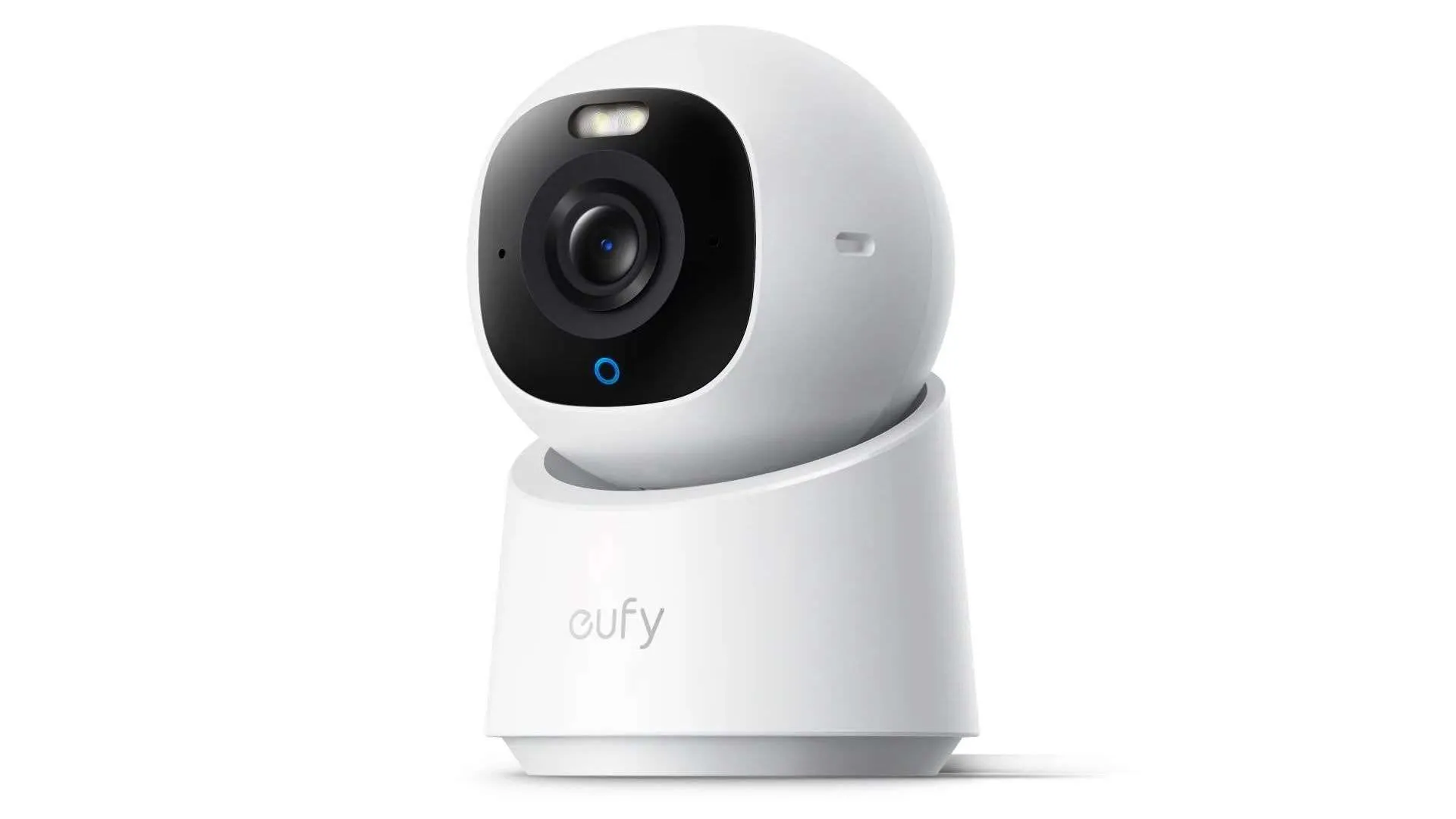
Cameras developed directly by Apple would enable unique integrations with Apple devices and, thanks to Apple’s commitment to data privacy, offer enhanced security. The first cameras could hit the market as early as the end of 2026, and other accessories like doorbells could follow.
Wearables
Apple could unveil AI-enabled smart glasses as early as 2026, and we also expect new Apple Watch models.
Apple Watch Series 12 (September 2026)
No major design updates are expected for the 2026 Apple Watch, and another major redesign isn’t planned until 2028 at the earliest. There are no ready-to-use health features yet, but Apple is working on non-invasive blood glucose monitoring.

The Apple Watch hasn’t received a major processor update in a long time, and since the iPhone is moving to a 2nm chip, 2026 could also be the year the Apple Watch gets a speed boost. Apple could introduce a new S12 chip.
Apple Watch Ultra and Apple Watch SE
Apple doesn’t update the Apple Watch Ultra and Apple Watch SE annually, so it’s still unclear whether we’ll see new models in 2026.
Smart AI Glasses (Later 2026 Launch)
Apple is working on smart glasses intended to compete with Meta’s AI Ray-Ban, and we could see them as early as 2026. Rumors suggest Apple will unveil the glasses at the end of the year, but the market launch isn’t expected until 2027.


Early revealing of devices and features hasn’t worked well for Apple, as evidenced by the discontinued AirPower and the delayed implementation of Apple Intelligence and Siri, so it remains unclear whether an early launch will occur.
The smart glasses are expected to include cameras, speakers, sensors, and AI integration, but no display. With the glasses, users will be able to take photos, listen to audio, make phone calls, and get answers to questions. The processing takes place on the iPhone, and Apple aims to make the glasses a fashionable accessory with a variety of material and frame options.
AirPods Pro (late 2026)
Although the AirPods Pro 3 were only released in 2025, Apple analyst Ming-Chi Kuo believes that another update to the AirPods Pro will be released in 2026. The AirPods Pro could feature Vision Pro technology, an infrared camera for improved spatial audio, and support for gesture controls. It’s possible that the AirPods Pro won’t be a completely new version, but rather a significant update to the AirPods Pro 3.
Software
iOS 27 will be unveiled at WWDC as usual, but the next major update won’t arrive until spring with the release of iOS 26.4 by Apple.
iOS 26.4 with LLM Siri (March/April 2026)
Apple is expected to release iOS 26.4 in March or April, an update that will likely bring some significant changes to Siri. The software is expected to include the smarter and more powerful version of Siri that Apple unveiled back in June 2024.


Apple has postponed the release of its smart home hub because the company wants to first introduce the smarter and more powerful version of Siri, which has been in development since the introduction of Apple Intelligence features in iOS 18. Originally, an improved version of Siri was planned to be released with an iOS 18 update, but Apple decided that Siri didn’t meet its own standards.
The launch of Siri was delayed so that Apple could fundamentally redesign the voice assistant’s underlying architecture. The new Siri will be more like ChatGPT or Claude than the current Siri and will utilize large language models to answer complex queries and perform more demanding tasks.
Here’s what Apple originally promised: Siri, powered by Apple Intelligence, was supposed to be able to do the following:
Personal Context
With personal context, Siri can keep track of emails, messages, files, photos, and more, learning about you to help you get things done and stay on top of what’s been sent to you.
- Show me the files Eric sent me last week.
- Find the email where Eric mentioned ice skating.
- Find the books Eric recommended.
- Where’s the recipe Eric sent me?
- What’s my passport number?
Screen Recognition
Screen recognition allows Siri to recognize what’s on your screen and take appropriate actions. For example, if someone texts you an address, you can ask Siri to add it to your contacts. Or, if you’re looking at a photo and want to send it to someone, you can ask Siri to do it.
Deeper App Integration
With deeper app integration, Siri will be able to do more within and between apps, performing actions and tasks that are currently not possible with the personal assistant. We don’t yet have a complete picture of everything Siri will be able to do, but Apple has already given some examples.
- Move files from one app to another.
- Edit a photo and then send it to someone.
- Get directions home and tell Eric your estimated time of arrival.
- Send Eric the email I wrote.
This summer, Craig Federighi, Apple’s chief software engineer, said that the transition of Siri to the new architecture had been a success and that the personal assistant would be an even bigger update than expected.
“The work we’ve done on this comprehensive overhaul of Siri has delivered the results we wanted,” Federighi told employees. “As a result, we’re able to deliver not only what we announced, but a significantly more comprehensive upgrade than originally planned.”
Apple has opted to use AI technology from Google. Therefore, Siri will be based in part on a Gemini model developed by Google for Apple. Siri will be just as powerful as Gemini, as it uses the same underlying technology. However, Apple will run the model on its own private cloud server, without sharing any information about it with Google.
The new version of Siri is expected to be available with an iOS 26.4 update, which is planned for the same time in March or April as the smart home hub is expected to launch.
iOS 27, macOS 27, and more
New versions of iOS, macOS, and Apple’s other software platforms will be unveiled at WWDC in June, before their official release in September. Thanks to the improved Siri that Apple will introduce in the months leading up to WWDC, new Apple Intelligence features are expected.
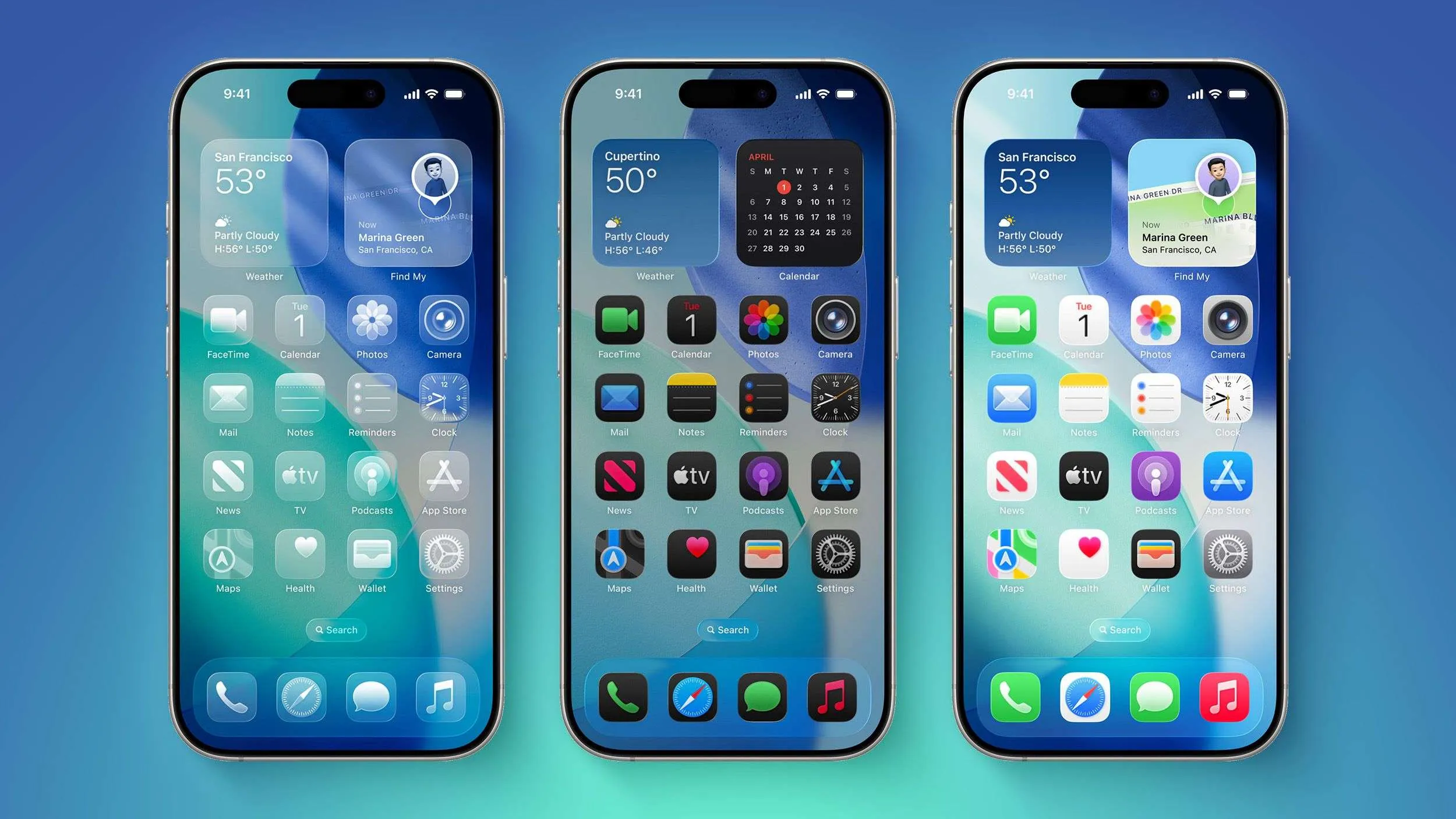
Apple Intelligence could be used for nutrition planning and medical recommendations as part of the new, paid Health+ service, which will launch next year. Details are not yet known, but Apple Intelligence’s capabilities could also be extended to other apps.
With iOS 27, Apple could update Siri’s design. Siri is receiving a major overhaul in iOS 26.4, but a new look is reportedly planned for iOS 27. Specific details about the redesign are still scarce, but rumors surrounding Apple’s upcoming desktop robot suggest the company might introduce a more animated version of Siri, similar to the Mac Finder logo. This animated version of Siri could also be available for iPhone and iPad.
Apple is working on several new satellite features for the iPhone, some of which could be included in iOS 27, though the exact timing is unclear.
- Apple Maps via Satellite
- Photos in Messages via Satellite
- Satellite API framework for third-party apps
- Satellite communication over 5G
- Satellite connectivity without looking at the sky.
Some of these features might require new hardware, but options like Apple Maps via Satellite wouldn’t require any components beyond those currently available.
There will be new iOS 27 features designed for the foldable iPhone, such as user interfaces and functions optimized for a larger screen. Bloomberg’s Mark Gurman described iOS 27 as a Snow Leopard update, suggesting that Apple will focus on improving underlying performance and quality rather than introducing major new features.
Source 1 / 2 / 3 / 4 / 5 / 6 / 7 / 8 / 9 / 10 / 11 / 12 / 13 / 14 / 15 / 16 / 17 / 18


