Apple iPhone 17e: Same OLED display, but narrower bezels
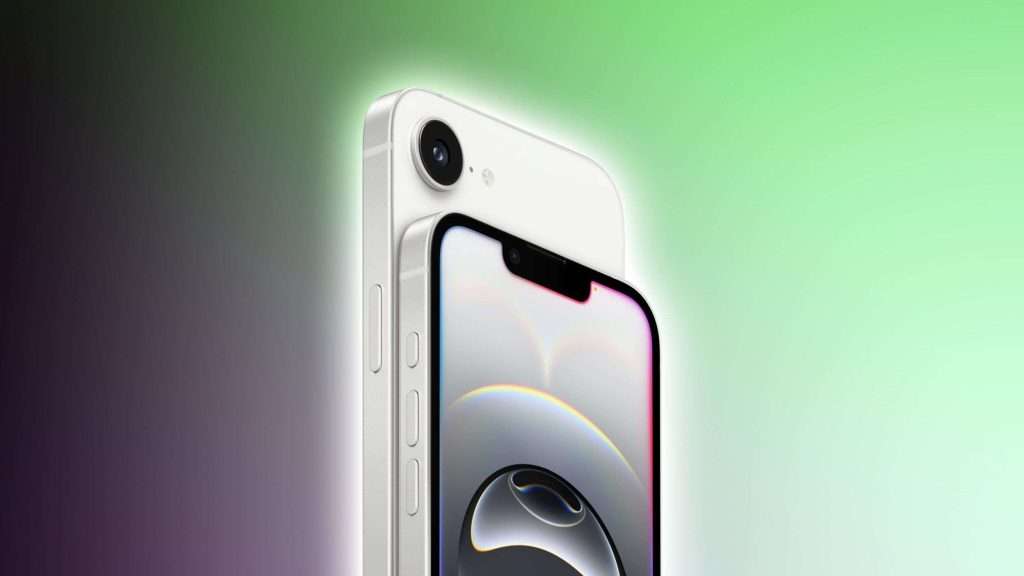
According to a new report from The Elec, the upcoming Apple iPhone 17e is expected to have narrower bezels but will retain the display based on the iPhone 14, which is also used in the 16e.

According to the Korean-language report, which cites supply chain sources, BOE will again produce the majority of the panels for the second generation of the cheapest iPhone model, while Samsung Display and LG Display will supply the remaining panels. The report does not confirm, however, that the iPhone 17e will feature a Dynamic Island display, as previously rumored.
In August, the well-known Weibo tipster Digital Chat Station claimed that the Apple iPhone 17e would be equipped with, among other things, the Dynamic Island display and the A19 chip. The current iPhone 16e has a notch at the top of the display, similar to the iPhone 13 and iPhone 14, and an A18 chip. Apple introduced Dynamic Island in the iPhone 14 Pro models.
Apple iPhone 17e with Dynamic Island?
Currently, narrower display bezels seem more credible than claims that the device will have Dynamic Island. Apple could reduce the bezels without changing the display itself, since the bezel size depends largely on the frame and the screen’s fit within the casing.
If Apple were to reuse the mass-produced OLED display of the iPhone 14 for cost reasons, the device’s design could still be refreshed by adjusting the frame and reducing the display bezels. Such an update would score several points with customers without significantly increasing production costs.
However, Dynamic Island is more difficult to implement. Apple cannot simply integrate this feature into an older display with a notch. The pill-shaped notch requires a redesigned TrueDepth camera layout, adjusted sensor placement, and updated display masking.
The introduction of Dynamic Island would mean that some components and production processes that Apple reportedly intends to reuse for the 17e would have to be discarded. The use of new tooling and redesigned sensor modules would therefore negate Apple’s cost-saving strategy for the e series. Furthermore, retaining the notch in the second iteration differentiates the more affordable device from Apple’s premium flagship iPhone 17 models.
Still 60 Hz Display
Today’s report also confirms the assumption that the iPhone 17e will continue to feature a 6.1-inch OLED display with a 60 Hz refresh rate. BOE has not yet been able to produce reliable LTPO (Low-Temperature Polycrystalline Oxide) panels for the iPhone 17 models, but does produce LTPS (Low-Temperature Polycrystalline Silicon) TFT panels, which are used in the iPhone 16e. However, LTPS panels do not support the variable refresh rate that the iPhone 17 models advertise.
Incidentally, all normally reliable sources agree on the launch date of the Apple iPhone 17e – the smartphone is scheduled to be released early next year.


