iPhone 17 and iPhone Air: How does the durability test go?
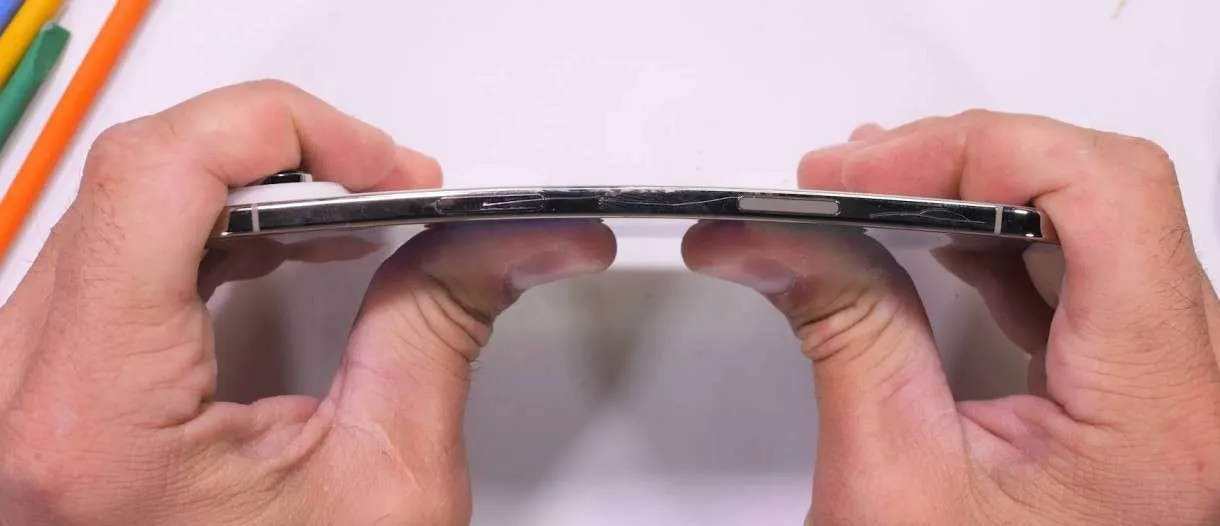
Apple is currently experiencing a “Scratchgate” with his iPhone 17 Pro series. But how do the regular iPhone 17 and the iPhone Air perform in the durability tests?
iPhone 17 Durability Test
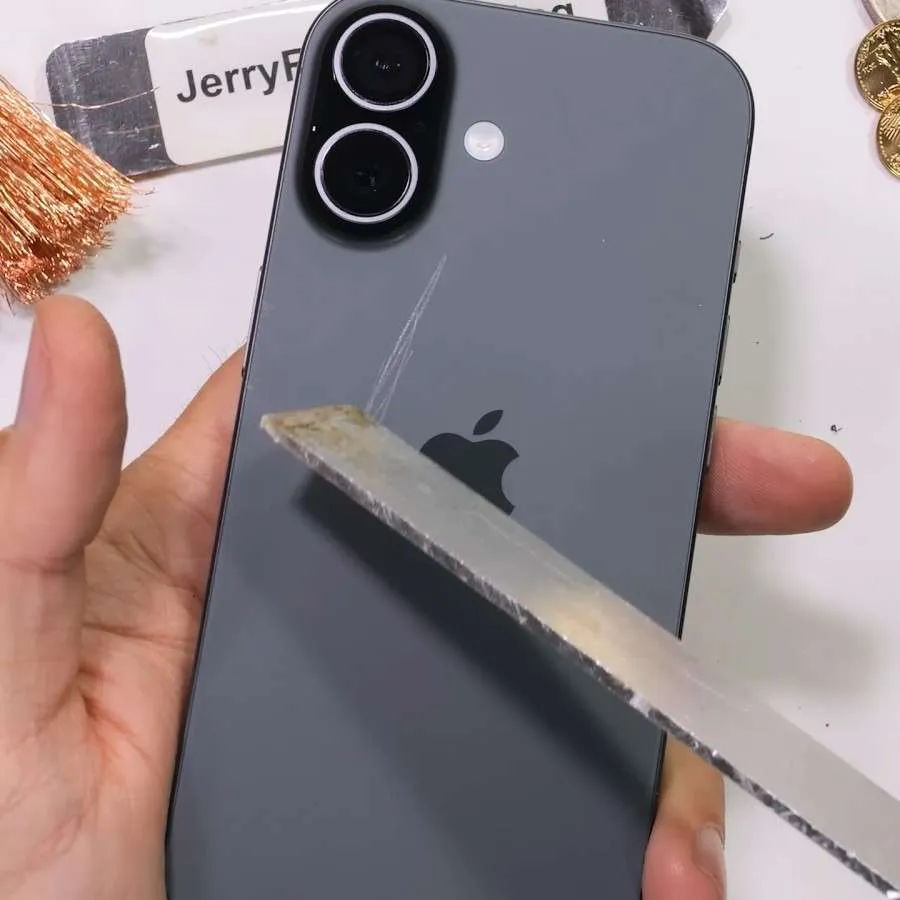
Well, much better thanks to the glass back, which is covered with a soft-touch material. YouTuber JerryRigEverything subjected the iPhone 17 to his typical durability test, doing his best to scratch the device with all kinds of tools. Since the camera island lacks sharp anodized aluminum edges, the iPhone 17 is significantly less susceptible to scratches.
The scratch test involved contact with various metal objects, including aluminum, stainless steel, and titanium rods, as well as silver and gold coins and copper wires. The phone’s soft-touch glass back withstood the test surprisingly well, exhibiting only light scratches from harder materials like aluminum and titanium.


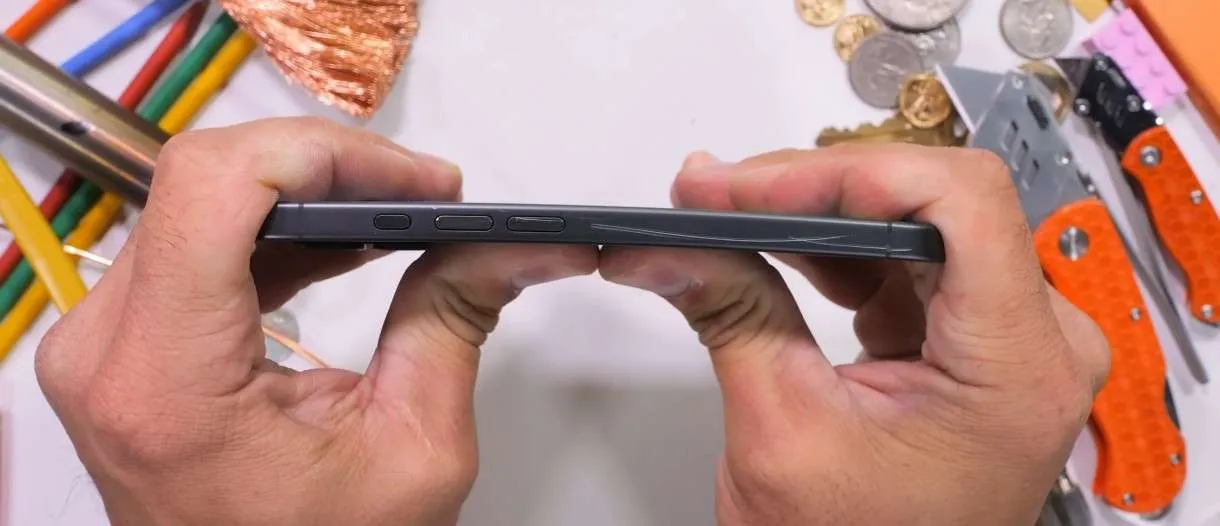
Unsurprisingly, the Ceramic Shield 2 glass on the front performed just as well as the iPhone 17 Pro, exhibiting light scratches starting at level 7 on the Mohs hardness scale. The phone also passed the bending test without any problems.
iPhone Air Durability Test
The iPhone Air is the last model Apple still produces with a titanium frame – this year, the Pro models switched to aluminum, just like the standard model. Durability is a key consideration for a device just 5.6 mm thick, especially with a large 6.5-inch display on the front. This display marks the beginning of the second durability test.
The new Ceramic Shield 2 is three times more scratch-resistant, according to Apple. According to the new EU energy label, it scores 5 on the Mohs scale, compared to 4 for the previous Ceramic Shield. The test revealed the following: Picks from levels 6 and 7 left barely visible scratches on the new glass.

Finally, the slim Apple phone had to undergo the infamous bending test. It proved to be quite stable and resisted Zack’s attempts to bend it by hand. The thumbnail for the YouTube video is the result of the destructive science Zack loves so much—he discovers how much force is needed to actually bend the Air. The answer can be summarized as “a lot.”
Samsung used aluminum for its Galaxy S25 Edge – at 5.8 mm, it’s slightly thicker than the Air. Watch Zack’s video on the Edge to see if it passes the bend test.


