Oppo Find X9 and X9 Pro with Dimensity 9500 and 200 MP Hasselblad camera are here

As always does the introduction of new flagship chipsets also signal the launch of new flagship phones: The Oppo Find X9 and Find X9 Pro in two different sizes are here. The top-of-the-line Ultra model and the smaller “S” model will be added later.


The Oppo Find X9 and X9 Pro are both powered by the new MediaTek Dimensity 9500 chipset. The new chip features a 32% faster CPU, a 33% faster GPU, and a 111% faster NPU. The 9500 is also more efficient: 55% more efficient for the CPU, 42% for the GPU, and 56% for the NPU.

The X9 models feature 120 Hz OLEDs that achieve a brightness of 1,800 nits in full-screen mode and a peak brightness of up to 3,600 nits in outdoor mode. For nighttime phone calls, the brightness can even be reduced to just 1 nit.
A key improvement in this generation is the ultrasonic fingerprint reader – the optical reader of the Find X8 series has been discontinued.
Oppo Find X9 Pro
The Oppo Find X9 Pro is based on a 6.78-inch LTPO AMOLED display with a 120 Hz refresh rate, 2,160 Hz PWM dimming, and a maximum brightness of 3,600 nits.


The main camera uses the 50MP Sony LYT-828, a 1/1.28-inch sensor. It’s larger and several generations better than the 1/1.4-inch LYT-808 in the X8 Pro. The lens is also better: an f/1.5 7-element lens with OIS. Interestingly, Oppo has chosen a new default setting for the camera—50MP mode instead of the usual 12MP.

The Oppo Find X9 Pro’s 200 MP Hasselblad camera features a 1/1.56-inch sensor with pixel calibration and DCG-HDR (Dual Conversion Gain, meaning pixels are sampled twice for each photo). This sensor sits behind a Hasselblad-certified 70 mm lens with an aperture of f/2.1. It features Prism Hybrid OIS with Active Optical Alignment. For comparison, the X8 Pro’s 73 mm telephoto camera had a smaller 50 MP sensor with a 1/1.95-inch aperture.
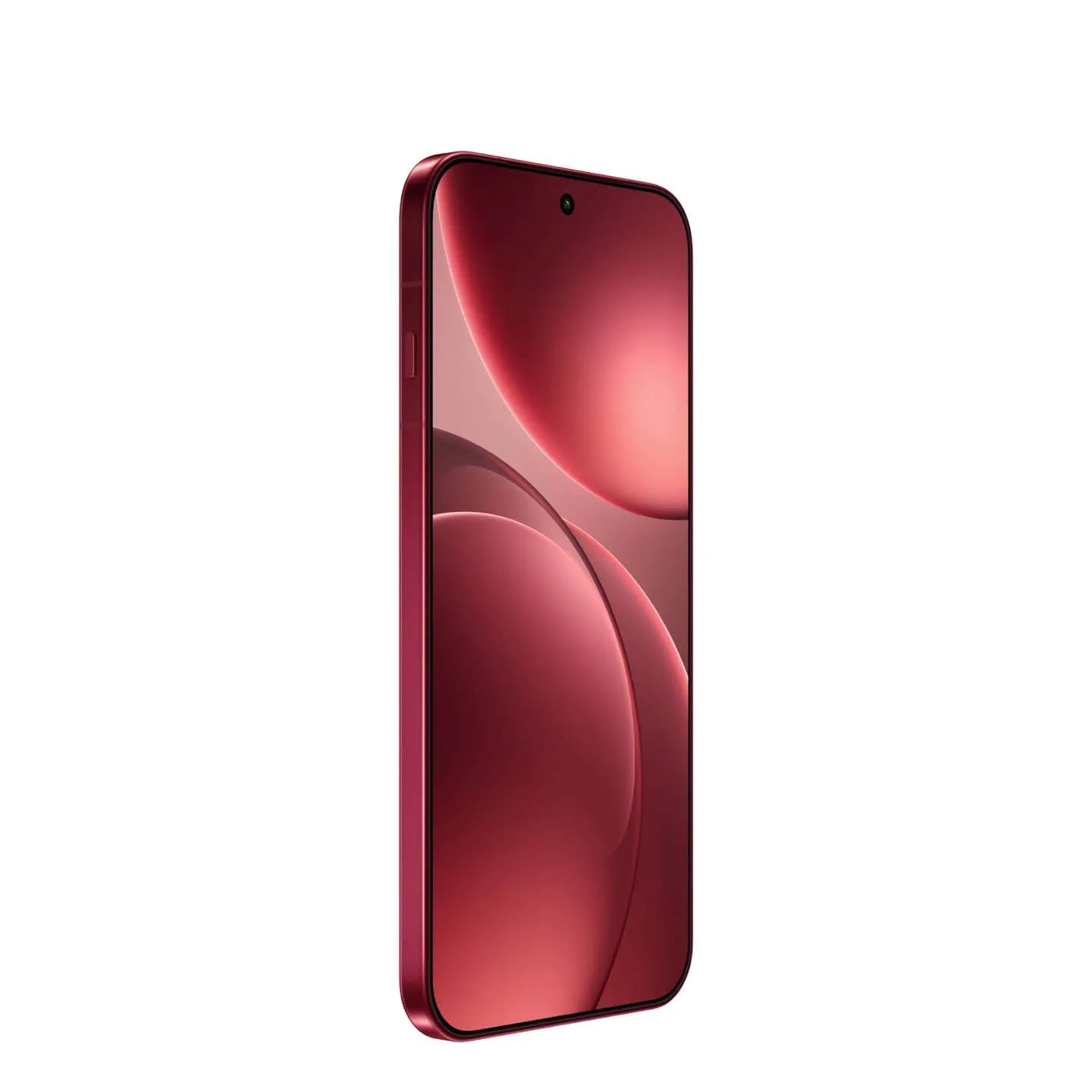
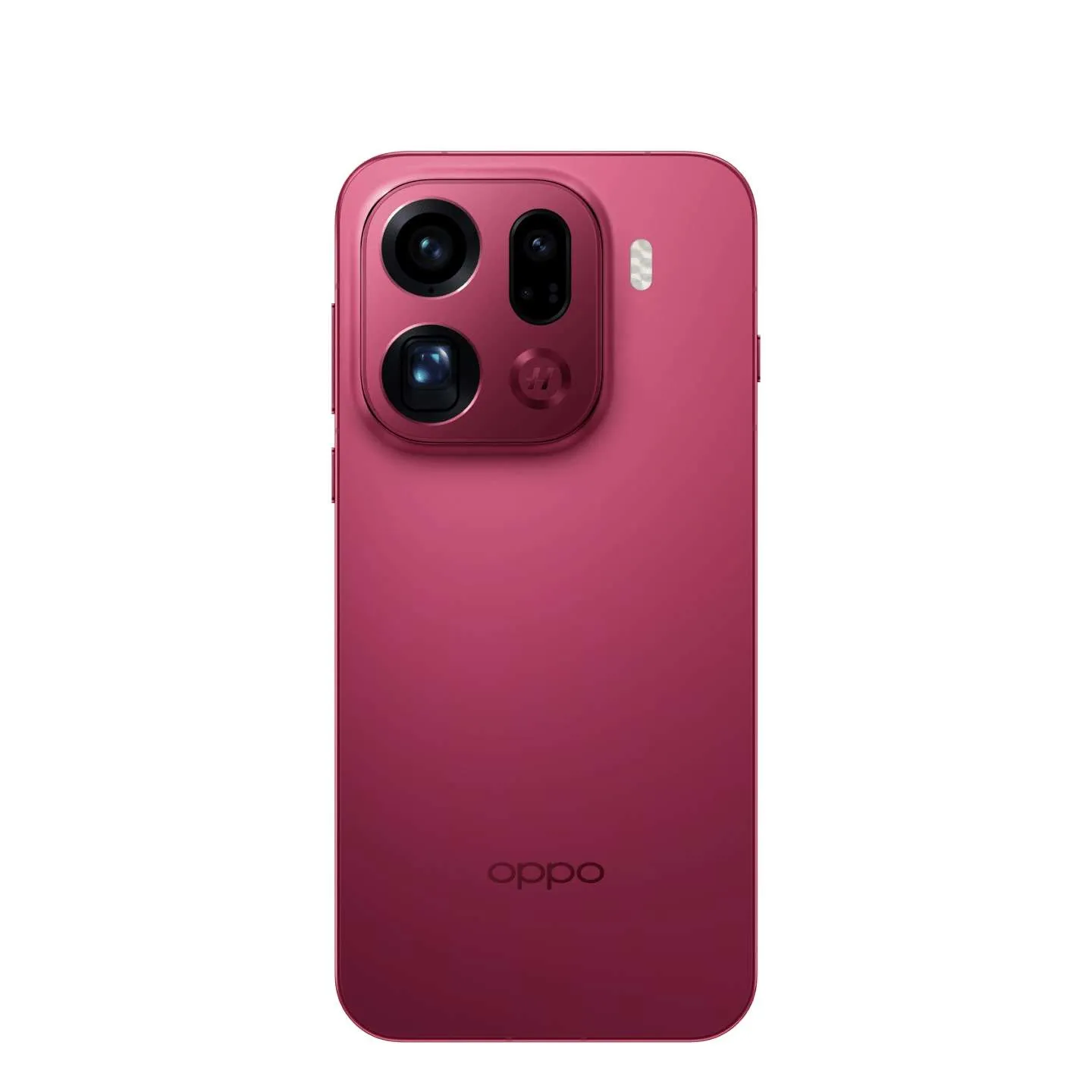
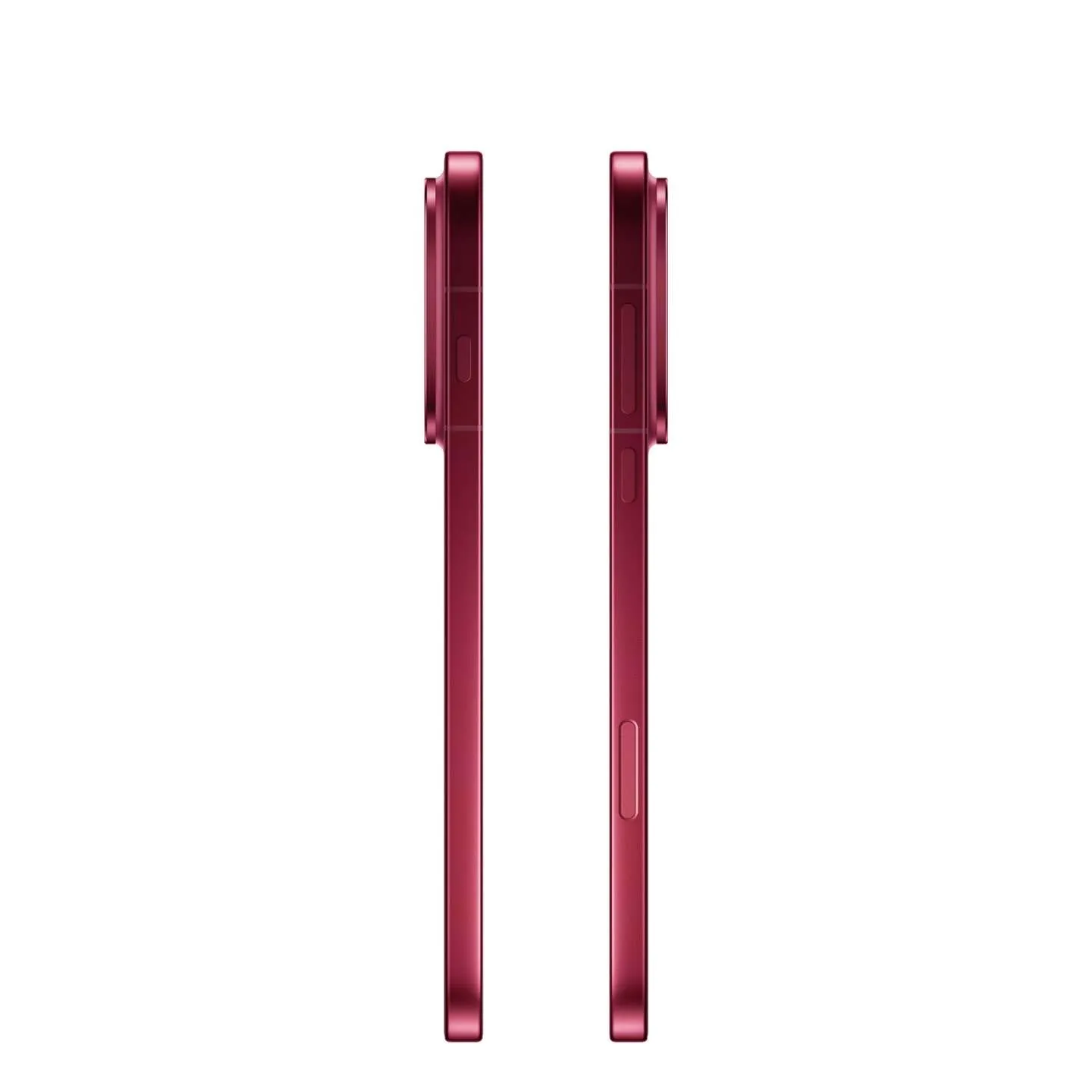
Oppo and Hasselblad have also developed a teleconverter for the Oppo Find X9 Pro. This additional lens has 12 glass elements and increases the optical zoom for photos to 10x (up to 200x digital zoom). The video zoom is up to 50x. This accessory is currently only available for the X9 Pro.
Oppo has also placed great emphasis on video recording. Instead of long videos, you can now also record motion photos. For longer videos, you can choose high-quality recordings in Log mode or with Dolby Vision. All cameras can record 4K videos at 60 frames per second in Dolby Vision. The main and telephoto cameras even reach up to 4K at 120 frames per second.
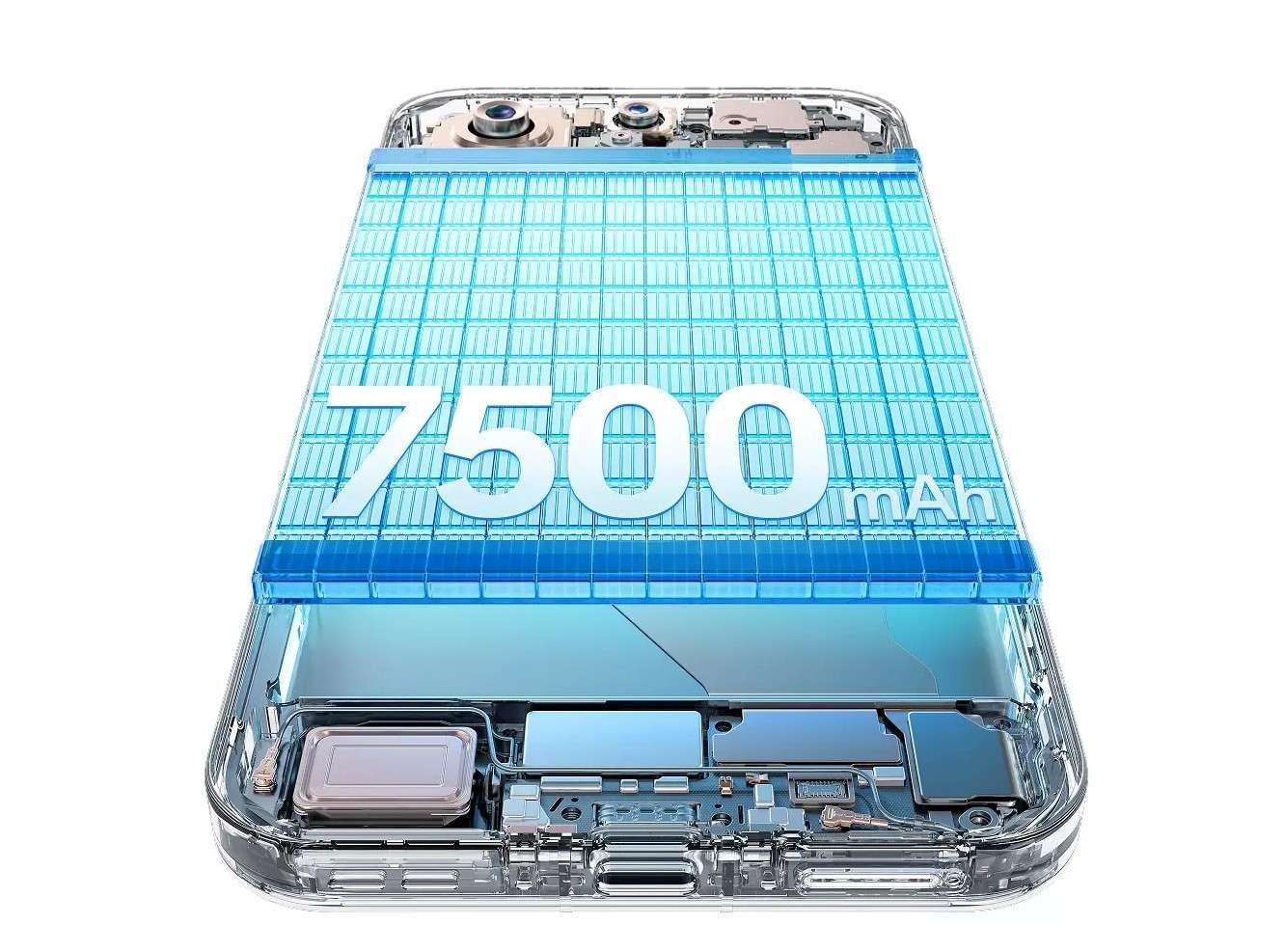
The Pro model has a large 7,500 mAh battery. That’s 1,590 mAh more than last year’s Pro. The charging system, however, is the same – 90W wired, 50W wireless, and 10W reverse charging. According to Oppo, the battery life is still at least 80% after five years of use.
Oppo Find X9
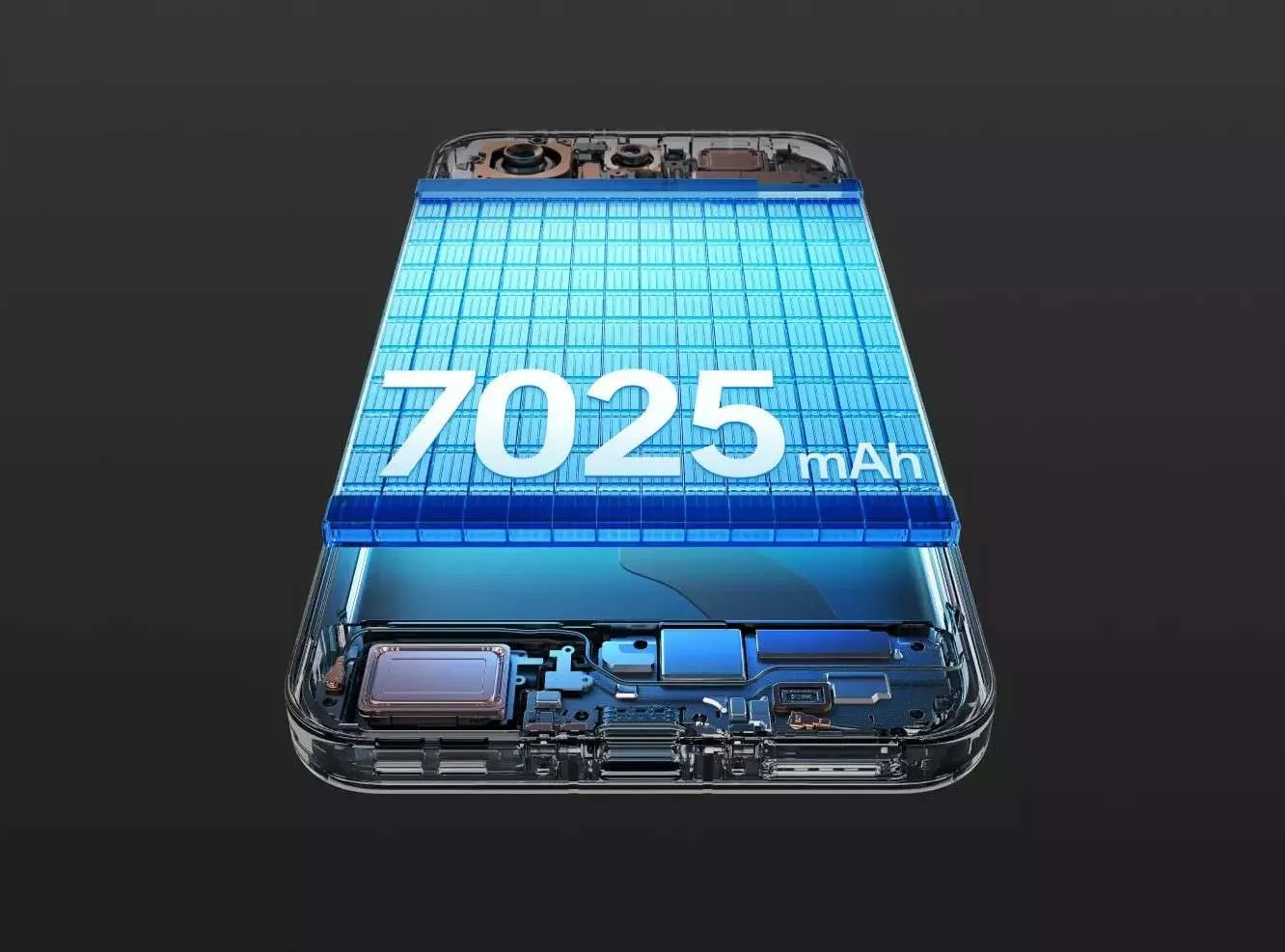
The Oppo Find X9 has a 6.59-inch display, the same size as its predecessor. However, the battery has been significantly improved – the standard model now has a capacity of 7,025 mAh, 1,395 mAh more than the X8. Charging speed has remained the same, even though it wouldn’t have needed an upgrade – the phone can support 80W wired and 50W wireless charging (plus 10W reverse charging).


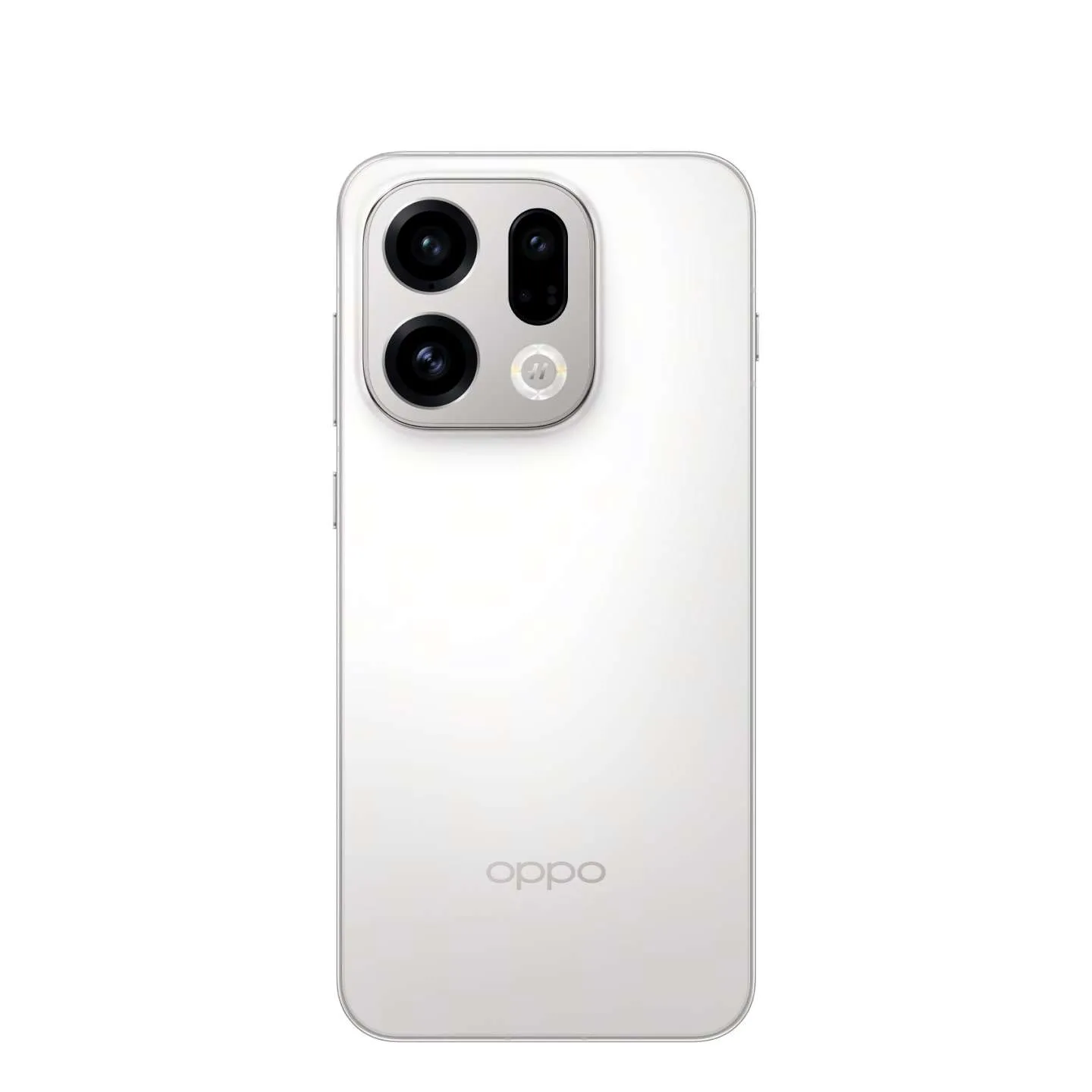
The smaller and cheaper Oppo Find X9 has a 50MP main camera with the same sensor as the old Pro—the 1/1.4-inch LYT-808 with an f/1.6 lens with OIS. For comparison, the X8 had a smaller 50MP 1/1.56-inch LYT-700 sensor with a smaller f/1.8 aperture.

In addition, there’s a 50MP 73mm periscope (f/2.6 lens with OIS) based on the 1/1.95-inch LYT-600 sensor. This is the same as last year’s. Then there’s the 50MP 15mm ultra-wide-angle module (f/2.0 AF lens and 1/2.75-inch Samsung JN5 sensor). Finally, Oppo has equipped the phone with a True Color camera, a 9-channel multispectral sensor.
ColorOS 16
The Oppo Find X9 series launches with ColorOS 16, based on Android 16. Oppo promises five operating system updates and a total of six years of security patches.

It offers deep integration with Google’s Gemini AI, as well as internal AI features—e.g., internal image demosaicing and noise reduction for the camera, as well as features like AI Portrait Glow, an AI Recorder, and an AI Mind Space. An interesting detail is that ColorOS 16 natively supports pairing with an Apple Watch.
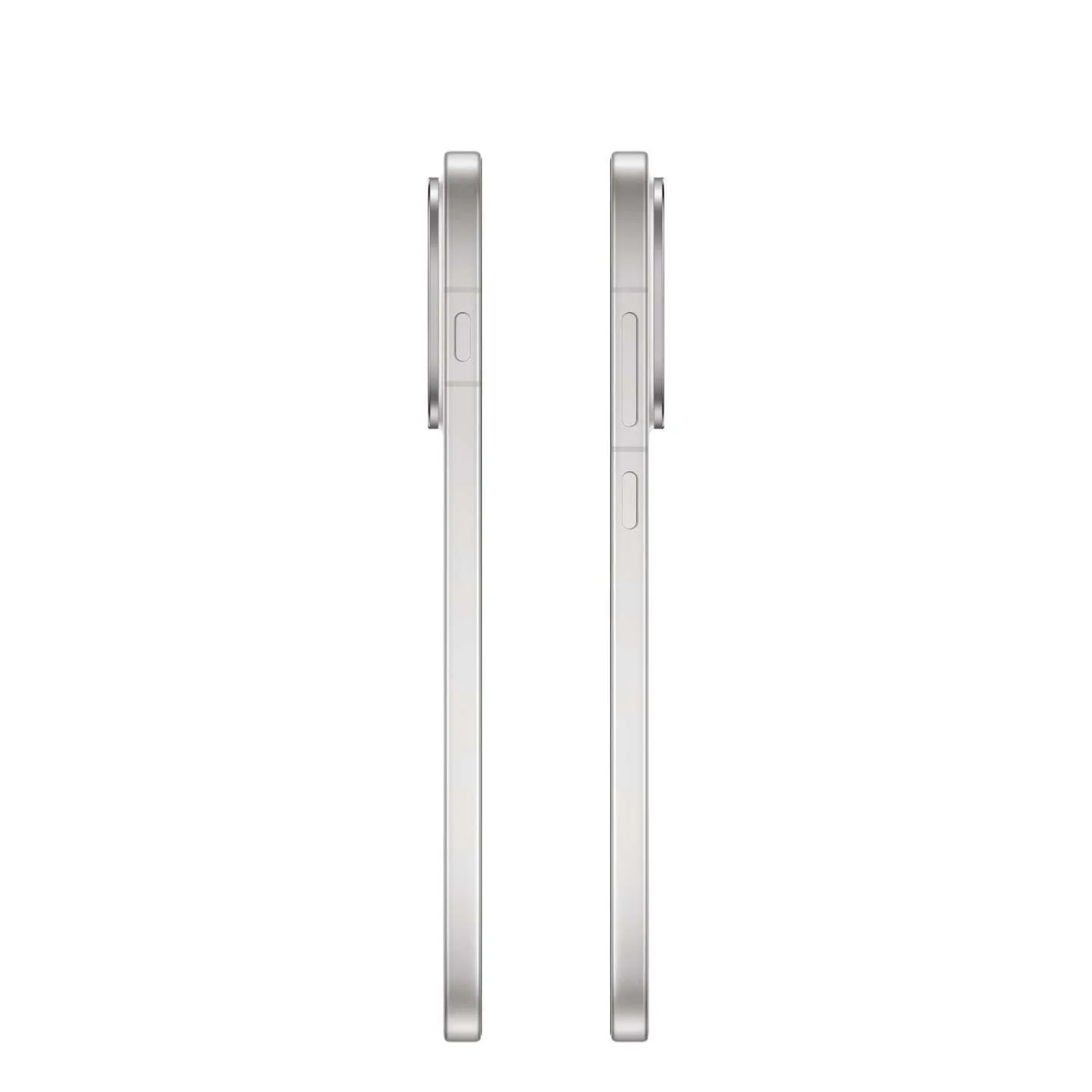
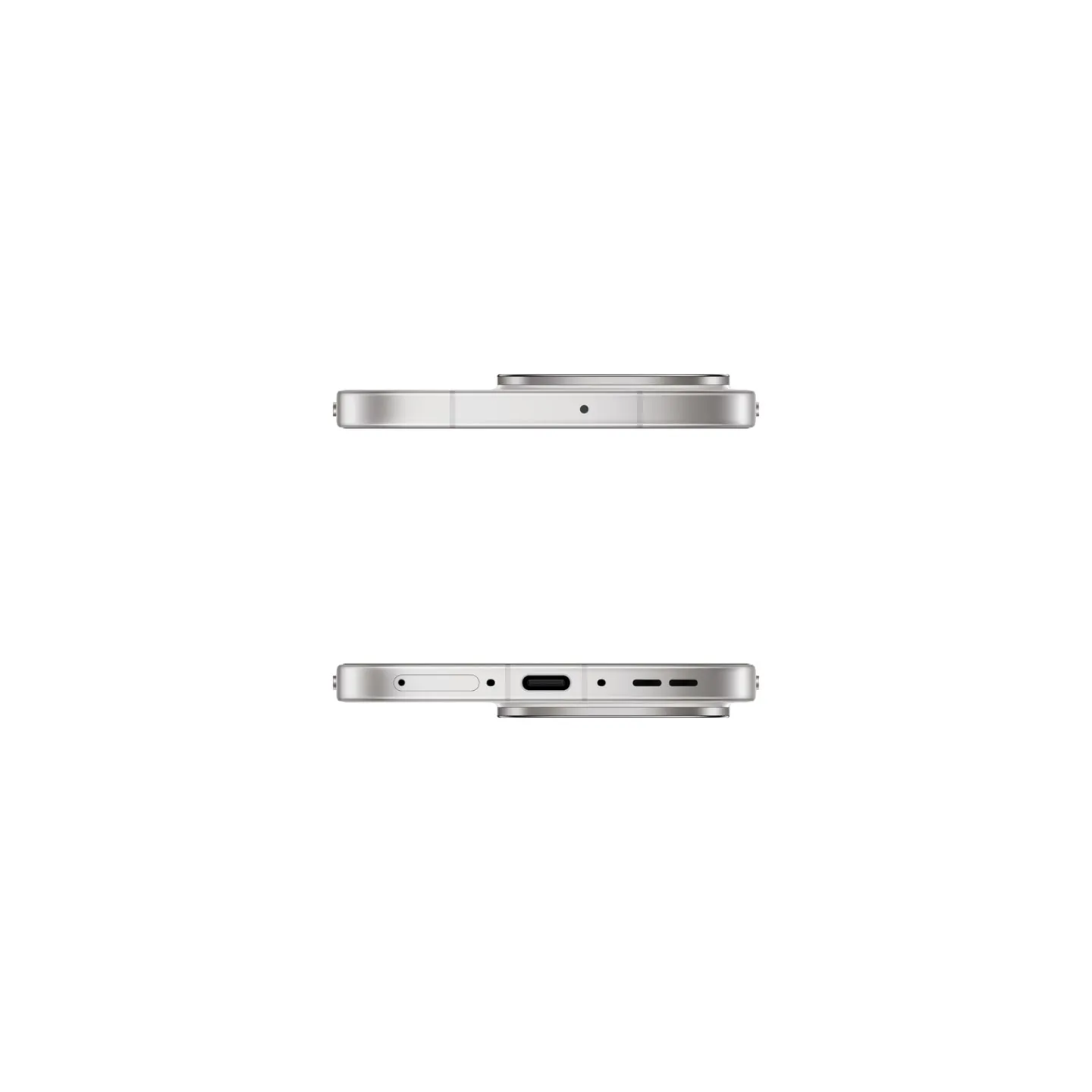
Both phones are tested for water resistance with IP66 (jet water), IP68 (submersion), and IP69 (hot water jet).
Prices
The Oppo Find X9 and Find X9 Pro are already available for pre-order in China. Prices for the base model with 12/256 GB start at 4,400 CNY (529 €/620 $) and rise to 5,800 CNY (697 €/815 $) for the top model with 16 GB/1 TB. The Pro with 12/256 GB costs 5,300 CNY (637 €/745 $) and climbs to a maximum of 6,700 CNY (806 €/940 $) with 16 GB/1 TB.
These are not the official global prices, but merely a direct conversion. Official details on the global launch of the Find X9 series will be announced soon.


