Apple Vision Pro: Lite version, AR Smart Glasses, cancelled?

There were several signs that the Apple Vision Pro mixed reality headset wasn’t going to take off. Firstly, due to its extremely high price, but also due to its heavy weight, which limits how long most people can wear it. What does this mean for Apple’s work on future virtual and augmented reality projects?
Interest in Apple Vision Pro
Interest in Apple Vision Pro was high in February when the device first launched, as it was a completely new product category for Apple. But that didn’t last. Vision Pro is undeniably impressive, and it’s overwhelming to see a butterfly flit by so close you feel like you could touch it. Or see the rough skin of an elephant walk right past you, but for most, the magic wears off quickly.

Early reviews found the Apple Vision Pro headset difficult to wear for long periods of time. But that’s exactly what’s needed to integrate it into a real workflow. Finding a use case that justifies the $3,500 price tag is no easy task either. Nilay Patel of The Verge found the Apple Vision Pro uncomfortably isolating, and Joanna Stern of the Wall Street Journal felt sick every time she looked at the limited Apple Immersive Video content available. Critics agreed that watching TV and movies is one of the best use cases. But that ends up with an extremely expensive TV that you can’t even share with others. And beyond about 65 inches, there’s no real difference in experience.
Months later, the sentiment hasn’t changed much. When the Apple Vision Pro came out, demand was high in Apple stores, with long lines of people wanting to try it out. But once the demo was over, interest waned. As early as April, there were reports that enthusiasm for the Vision Pro had waned significantly, and in July, there were reports of declining sales.
At MacRumors, Apple Vision Pro headsets are also gathering dust in their cases now, except when Apple’s latest Immersive Video comes out or when there’s a new VisionOS software update. Videographer Dan Barbera uses his Vision Pro about once a week to watch content, but only for about two hours, because after that the headaches start.
There are also strict limits when using it as a display for a Mac or iMac, as the Apple Vision Pro is limited to a single display. So there’s no real added value over a dual-display setup.
Apple Vision Pro in Business
But there are also use cases for the Apple Vision Pro in business and some people who really love the headset. Some examples:
- Porsche: Porsche engineers use the Apple Vision Pro to visualize vehicle data in real time.
- KLM: KLM Airlines uses Vision Pro to train technicians on new engine models.
- Law enforcement: Police departments in California are testing Vision Pro for surveillance work.
- Medical: A medical team in the UK used Vision Pro for two spinal surgeries. Doctors in India are also reportedly using it for laparoscopic surgeries, and an orthopedic surgeon in Brazil used it during a shoulder surgery. UCSD has been testing the use of Vision Pro apps for minimally invasive surgeries.
- Science: MIT students wrote an app to control a robot using Vision Pro’s gesture support.
Tim Cook said in May that “half” of Fortune 100 companies have purchased a Vision Pro. But whether these headsets are actually in use and for what is unknown.
Future unclear
With sales of the Apple Vision Pro falling short of Apple’s expectations, we’ve heard some confusing rumors about what Apple’s next move will be. First, there were rumors that Apple was working on two new versions of the Vision Pro. One that’s cheaper, and one that’s a direct successor to the current model.


In April, Bloomberg’s Mark Gurman said Apple would not release a new version of the Vision Pro until late 2026, citing problems trying to reduce the headset’s cost.
In June, The Information said Apple had stopped work on a second-generation Vision Pro to focus on a cheaper model. Later that month, Gurman said Apple may make the next Vision Pro dependent on a connected iPhone or MacBook. That could reduce costs and allow the cheaper headset to launch as early as late 2025.
In early October, Apple analyst Ming-Chi Kuo said Apple would begin production of the Apple Vision Pro 2 in the second half of 2025, presumably for a launch in late 2025. He claims the most significant upgrade will be a new M5 chip for significantly better processing power. Specs, design, and price will remain largely the same. This is in contrast to a rumor Kuo said in February that Apple would not release a new model until 2027.
Neither of these rumors match up with the other, so Apple’s next step in AR/VR development is unclear. Kuo says there will be a new Apple Vision Pro with a faster chip in late 2025. Gurman and The Information believe we’ll get a cheaper version of the headset. Even Apple may not have made a clear decision on what’s next, so all we can do is wait and see how the company’s AR/VR strategy plays out.
AR Smart Glasses
Even before the Apple Vision Pro headset was released, there were rumors of work on lightweight augmented reality smart glasses. AR glasses are Apple’s actual long-term goal, with the Vision Pro serving as a stepping stone. Apple CEO Tim Cook has spoken at length about Apple’s interest in augmented reality, calling it “big and deep.” At some point, people would look back on it and wonder how they lived without it.
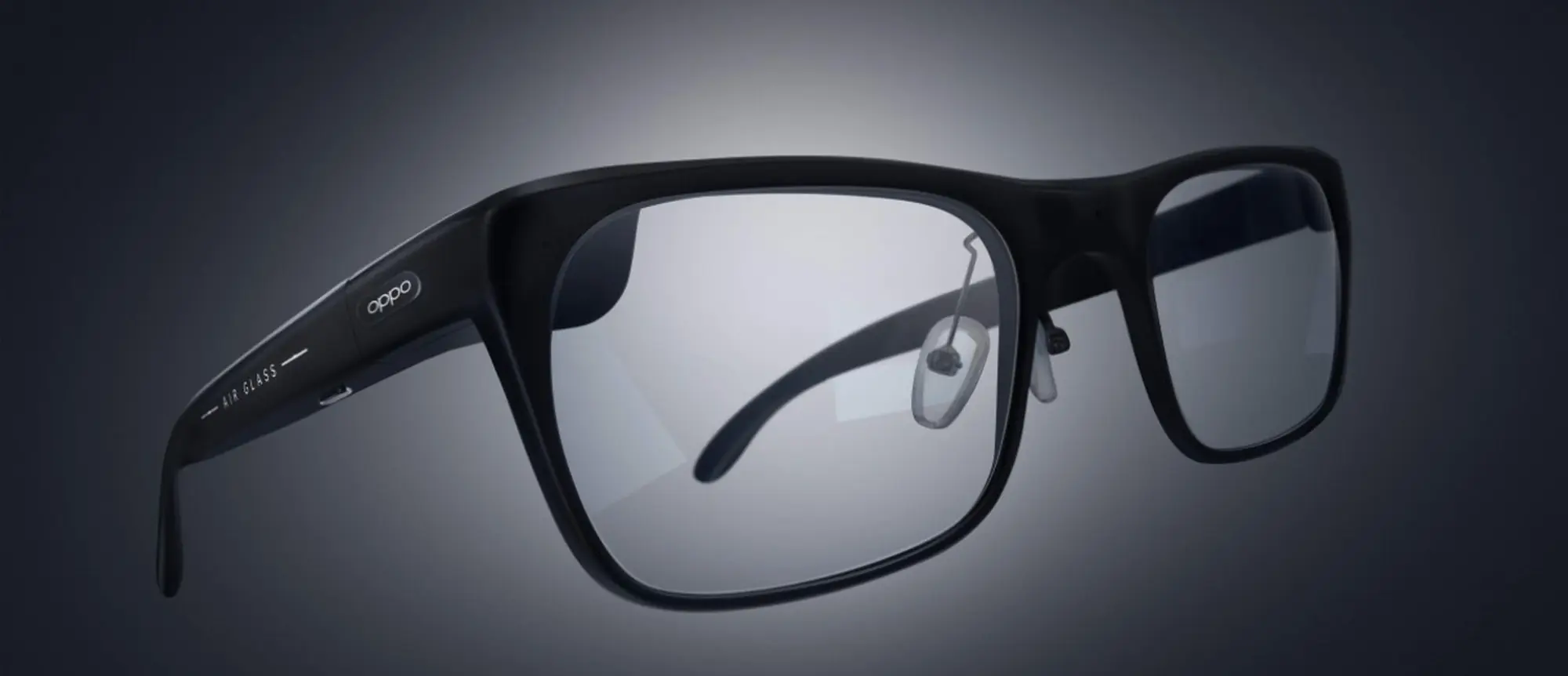
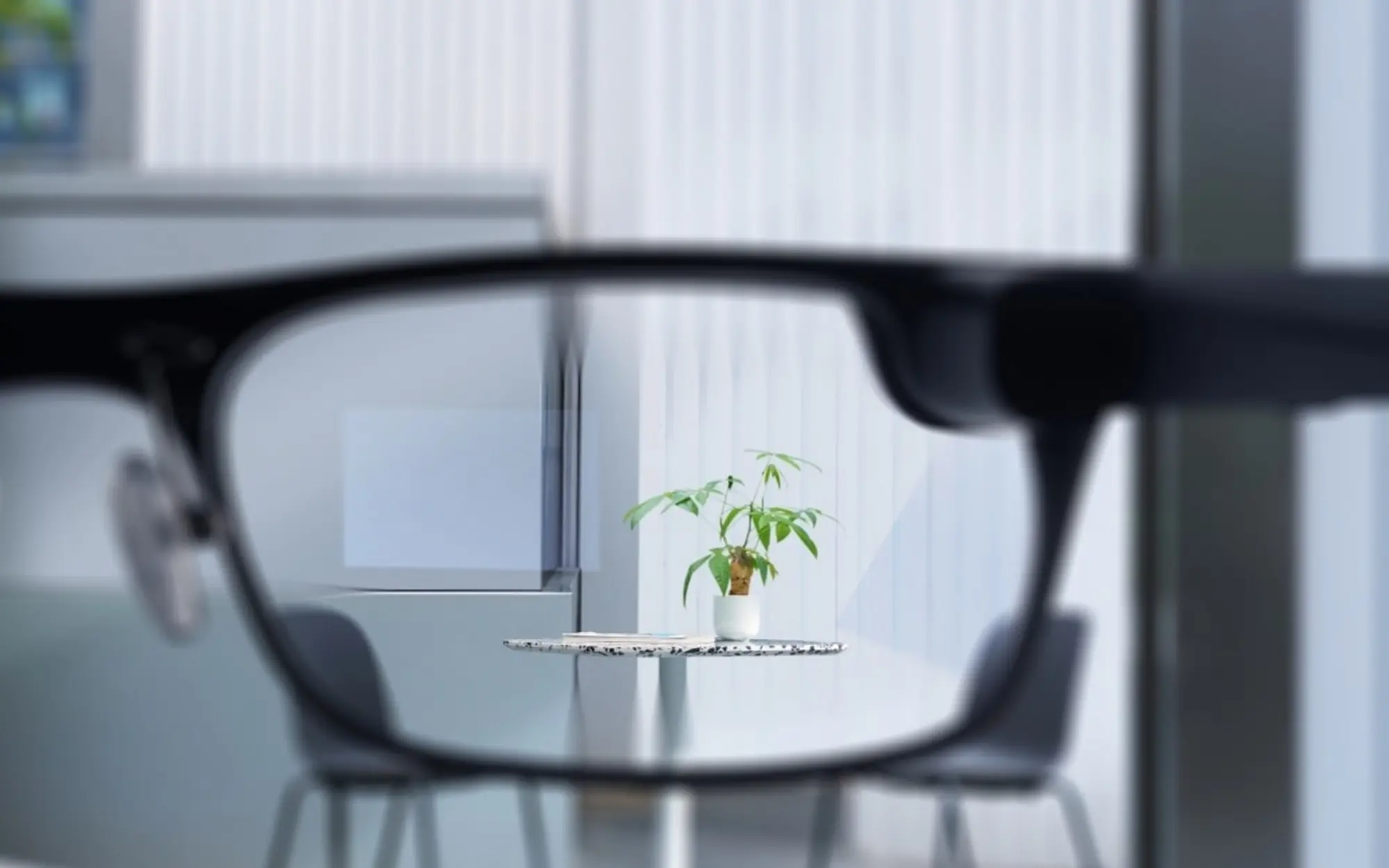
Apple wanted to release AR smart glasses as early as 2023 before the project was pushed back to 2025. But unfortunately, development was postponed “indefinitely” in January 2023. According to Gurman, Apple stopped work due to technical difficulties. But there are also some Apple employees who don’t believe Apple will ever build AR glasses.
Later in 2023, Gurman clarified that the launch of smart glasses was “at least” four years away. Apple realized while developing the Vision Pro that it wasn’t feasible to build AR glasses with sufficient performance. To work, the glasses would need to offer the full performance of an iPhone with a tenth of its power consumption, so they don’t get too hot. Apple is also giving the smart glasses project only “limited resources,” with the majority of development going into the Apple Vision Pro. The aim is to lay the foundation for a future where AR technology works.
Serious development of standalone AR glasses is currently being postponed, so it’s not entirely clear when we’ll reach a point where hardware miniaturization and improvements in chip efficiency enable AR glasses as Apple envisions them. Back in 2017, Apple CEO Tim Cook said the technology to make AR smart glasses “at a high quality” doesn’t exist. And that doesn’t seem to have changed since then. It will likely be until the end of the decade before we hear serious reports about Apple’s work on augmented reality glasses.
Meta Smart Glasses
Last month, Facebook’s parent company Meta unveiled its Orion augmented reality smart glasses. The glasses have a fairly thick frame, but look much more like regular glasses than any mixed reality headset on the market.

Meta’s Orion glasses have been in development for more than five years, and Meta isn’t ready to launch them yet. They’re still in the prototype phase, but Meta is testing them with employees and select external audiences to “learn, iterate, and build” and develop a consumer AR glasses product line. Meta’s glasses aren’t standalone, but require a wristband to control them and a computer puck that needs to be in the room.

It costs Meta about $10,000 to make a pair of Orion glasses, which gives us a sense of the hurdles Apple has to overcome to bring AR glasses to market. Meta can’t sell the glasses at that price, and it will likely be several years before they’re cheap enough for the mass market.
Meta also has Ray-Ban AI glasses that are affordable but don’t offer augmented reality capabilities. Apple has been exploring a similar product, and there’s a chance we could get something like the Ray-Ban glasses in the future.
Apple could make simple glasses with a camera, Siri integration, and built-in speakers for listening to music, as sunglasses with speakers have also become popular in recent years. Health features could also be included. At the moment, Apple is still considering such a product, so it’s not clear if it’s something that will make it to the actual development stage.
Apple Vision Pro Outlook
If Apple brings AR smart glasses to market, the technology could eventually get to a point where something even smaller is possible. Ming-Chi Kuo claimed in 2021 that Apple will have augmented reality contact lenses by 2030. So far, however, this forecast sounds unrealistic as long as the technology cannot be miniaturized even for high-quality AR glasses.


