Apple iPhone 18 Pro: 10 reasons to wait

Apple’s development plan for the iPhone extends several years into the future, and the company continuously works with suppliers on multiple consecutive iPhone models simultaneously. Therefore, rumors about features often surface months before the official launch. The iPhone 18 series is no exception, and we already have a good idea of what to expect from the Apple iPhone 18 Pro and iPhone 18 Pro Max.
It’s worth noting that Apple is reportedly planning a fundamental change to its iPhone release cycle this year, intending to launch the products in two phases, starting with the iPhone 18 series. This means that the iPhone 18 Pro, the iPhone 18 Pro Max, and the iPhone Fold will be released in September 2026, followed by the iPhone 18 and the iPhone 18e in spring 2027.
Design
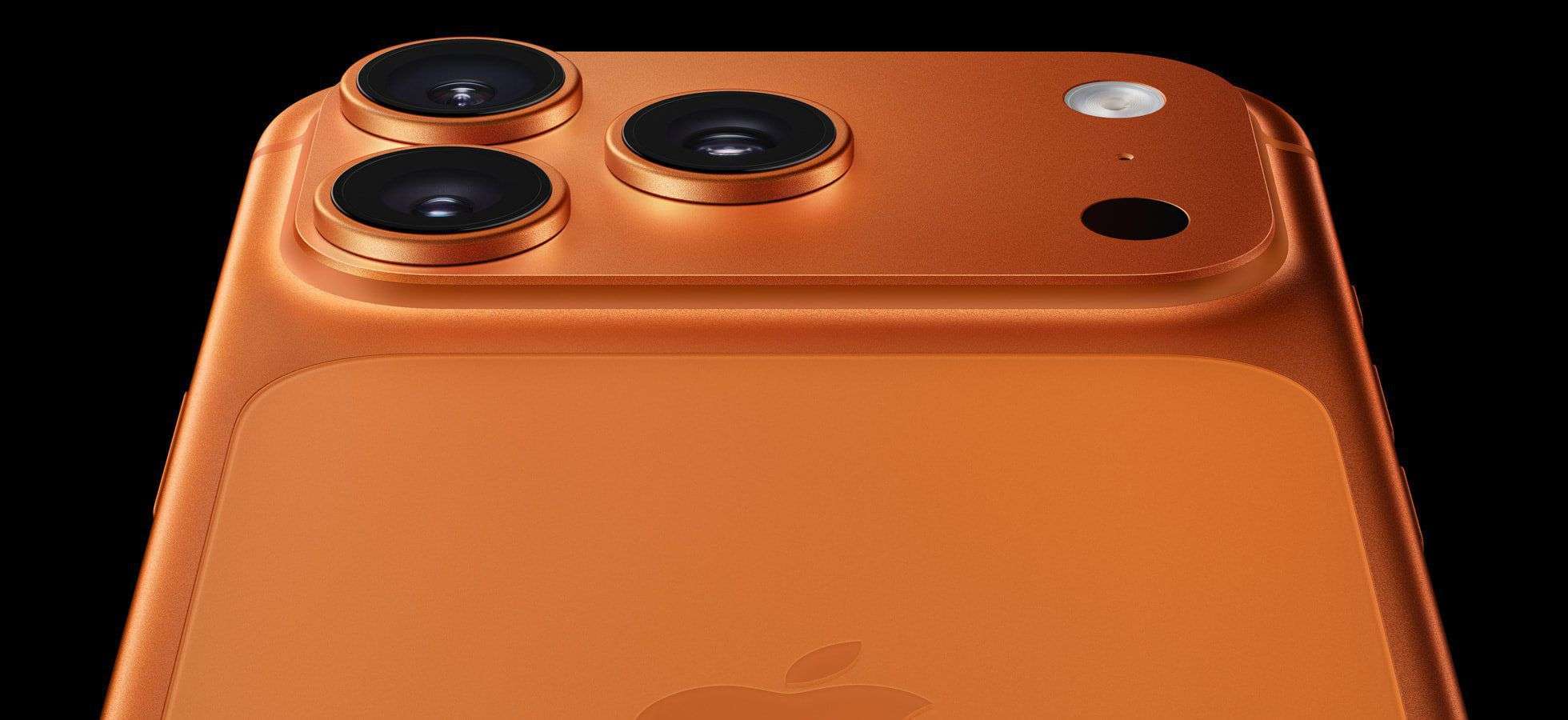
Rumours suggest that the iPhone 18 Pro series will adopt the design of the iPhone 17 Pro models largely retained. The rear camera system is expected to be the same as the current generation and will feature a raised platform with three lenses arranged in a triangle. Display sizes are also expected to remain unchanged: the iPhone 18 Pro and iPhone 18 Pro Max will continue to use 6.3-inch and 6.9-inch panels, respectively – the same dimensions as the previous iPhone 16 Pro series.
The iPhone 18 Pro models could feature the two-tone back of the iPhone 17 Pro. Apple has apparently optimized the glass back replacement process for the next generation to minimize the color difference between the Ceramic Shield 2 glass and the aluminum frame, thus achieving a more harmonious overall appearance.
Battery life
According to a Chinese leaker, the iPhone 18 Pro Max will be equipped with a larger battery, thus continuing to offer excellent battery life. The Weibo user Digital Chat Station (DCS) stated that the iPhone 18 Pro Max will have a battery capacity of 5,100 to 5,200 mAh. With a capacity of 5,088 mAh, the iPhone 17 Pro Max boasts the largest iPhone battery to date. Apple claims a battery life of up to 39 hours.
According to another rumor, the iPhone 18 Pro Max’s casing will be slightly thicker than that of the iPhone 17 Pro Max, increasing the weight to approximately 243 grams. This would make the iPhone 18 Pro Max about 3 grams heavier than the iPhone 14 Pro Max, currently the heaviest Apple model. A larger battery is the most likely reason for this.
Smaller Dynamic Island
Rumors continue to circulate about whether the iPhone 18 Pro models will introduce in-display Face ID, but reports on when this technology will actually be available vary. This feature would move the TrueDepth camera system under the display, thus replacing the previous recess for the Dynamic Island.

Loud Wayne Ma According to The Information, Apple is planning a design without the Dynamic Island and instead a single punch-hole camera in the upper left corner of the screen. However, other sources contradict this claim. Display analyst Ross Young believes under-display Face ID is possible for the iPhone 18 Pro, but expects the Dynamic Island to be smaller. Mark Gurman of Bloomberg confirms this view, reporting that the new models will have a slimmer Dynamic Island rather than removing it entirely. Apple is also reportedly testing new camera miniaturization technologies to reduce the size of the front-facing camera currently housed in the Dynamic Island.
The Weibo leaker Ice Universe It is claimed that the notch for the dynamic display of the iPhone 18 Pro models will be about 35% narrower than that of the iPhone 17 Pro models. Specifically, it is said to be only about 13.5 mm wide, compared to about 20.7 mm on the previous model.
Meanwhile, the Chinese leaker Instant Digital Another theory has been published. According to this theory, the Dynamic Island will be smaller, but Face ID and the under-display camera technology will not be introduced this year. Overall, the general consensus suggests that Apple will refine the Dynamic Island before fully transitioning to an edge-to-edge display in future generations.
A20 Pro Chip
The iPhone 18 Pro models will be equipped with Apple’s A20 chip. It will be equipped with a chip manufactured using TSMC’s 2nm process, enabling higher energy efficiency and lower power consumption. The 2nm manufacturing process increases transistor density, allowing for higher performance. The A20 series is expected to offer approximately 15 percent faster performance and about 30 percent better efficiency compared to the A19 series used in Apple’s iPhone 17 models.

Apple’s A20 chip is manufactured using TSMC’s wafer-level multi-chip module (WMCM) technology. This suggests that in some A20 chips, the memory will be integrated directly onto the same wafer as the CPU, GPU, and Neural Engine, rather than being located next to the chip and connected via a silicon interposer. This could contribute to improved performance in both general-purpose tasks and Apple Intelligence, as well as longer battery life thanks to enhanced energy efficiency.
New camera sensor
Samsung is working on a new, three-layer image sensor, reportedly intended for the iPhone 18. The sensor, codenamed PD-TR-Logic, integrates three circuit layers designed to improve camera responsiveness, reduce noise, and increase dynamic range.

The information comes from a source called Jukanlosreve, which claims the sensor is being developed specifically for Apple’s 2026 iPhone lineup. Sony has long been Apple’s sole image sensor supplier, so Samsung’s entry would represent a significant shift in the iPhone camera supply chain.
Variable aperture
Reports indicate that Apple is planning to equip this year’s iPhone 18 Pro models with a variable aperture. DCS claims that the main rear camera – Apple’s so-called 48-megapixel Fusion camera – will feature a variable aperture on both iPhone 18 Pro models. This would be a first for the iPhone. A variable aperture system physically adjusts the lens opening to let in more light for low-light photography or to narrow the opening for brighter scenes and greater depth of field.
The main cameras of the iPhone 15 Pro, iPhone 16 Pro and 17 Pro all use a fixed aperture of ƒ/1.78, where the aperture is permanently set to its largest opening. A variable aperture on the iPhone 18 Pro would allow users to manually adjust the aperture, similar to a DSLR camera. This would enable more precise control over depth of field, allowing for sharper focus on subjects or smoother background blur. Industry analyst Ming-Chi Kuo predicted in November 2024 that Apple’s iPhone 18 Pro models would receive this feature.
Simplified camera control
Reports indicate that Apple is working on simplifying the camera control button on the iPhone 18 models to reduce costs. The current camera control button on the iPhone 17 models uses capacitive and pressure sensors beneath a sapphire glass surface. The capacitive layer detects touch gestures, while the pressure sensor recognizes different levels of pressure for tapping, pressing, and swiping.
According to Instant Digital, Apple will remove the capacitive sensor layer in the second-generation iPhone 18, retaining only pressure sensitivity to enable all camera functions. This simplified version isn’t about reducing the button’s functionality, but rather about cost savings. The current solution is reportedly very expensive for Apple and results in high repair costs.
C2 modem
According to supply chain analyst Jeff Pu, Apple plans to include its next-generation C2 modem in the iPhone 18 Pro models. The chip replaces the C1 modem, which debuted in the more affordable iPhone 16e as Apple’s first in-house cellular modem, as well as the C1X modem chip in the iPhone Air. The C2 is expected to be up to twice as fast as the C1, according to Apple. It will also offer higher speeds, improved energy efficiency, and support for mmWave 5G in the US – a feature lacking in the C1 and C1X.
Apple’s modem roadmap is part of a long-term strategy to reduce its reliance on Qualcomm, the current supplier of 5G modems for its other iPhone models. The company has been working for years on developing its own mobile chips with the goal of deeper integration and better control over power management and performance.
5G satellite internet
According to a report by The Information, Apple plans to introduce support for 5G networks as early as next year, which operate via satellites instead of cell towers. This advancement would enable future iPhones to have not only limited emergency functions, but also full internet connectivity via satellite.
If Apple meets its 2026 target, the first devices with 5G satellite internet would likely be the iPhone 18 Pro, the iPhone 18 Pro Max, and the long-awaited foldable iPhone. Apple is working with Globalstar for the iPhone’s satellite capabilities, but currently, no provider delivers full-fledged 5G satellite internet directly to a smartphone. The report also doesn’t name a future provider.
New colors
Rumors suggest Apple is testing three new color options for the iPhone 18 Pro models: burgundy, brown, and purple. A burgundy finish would mark the first time the Pro and Pro Max models have been offered in a red shade, aside from the lighter (PRODUCT)RED used on previous devices. iPhone 14 Pro and the iPhone 14 Pro Max were previously available in dark purple, and Apple has never released an iPhone in a pure brown color.
Prices
According to a new analysis, prices should either be “unchanged” or at a “similar level” to the 17 Pro models. Apple’s plan is reportedly “to avoid price increases as much as possible” and to at least keep prices “constant”.


