Valve Steam Frame: Launch date, price and specs

Valve is far from finished with VR headsets, and its latest model is its most compelling yet. Here’s everything we know so far about the Valve Steam Frame.
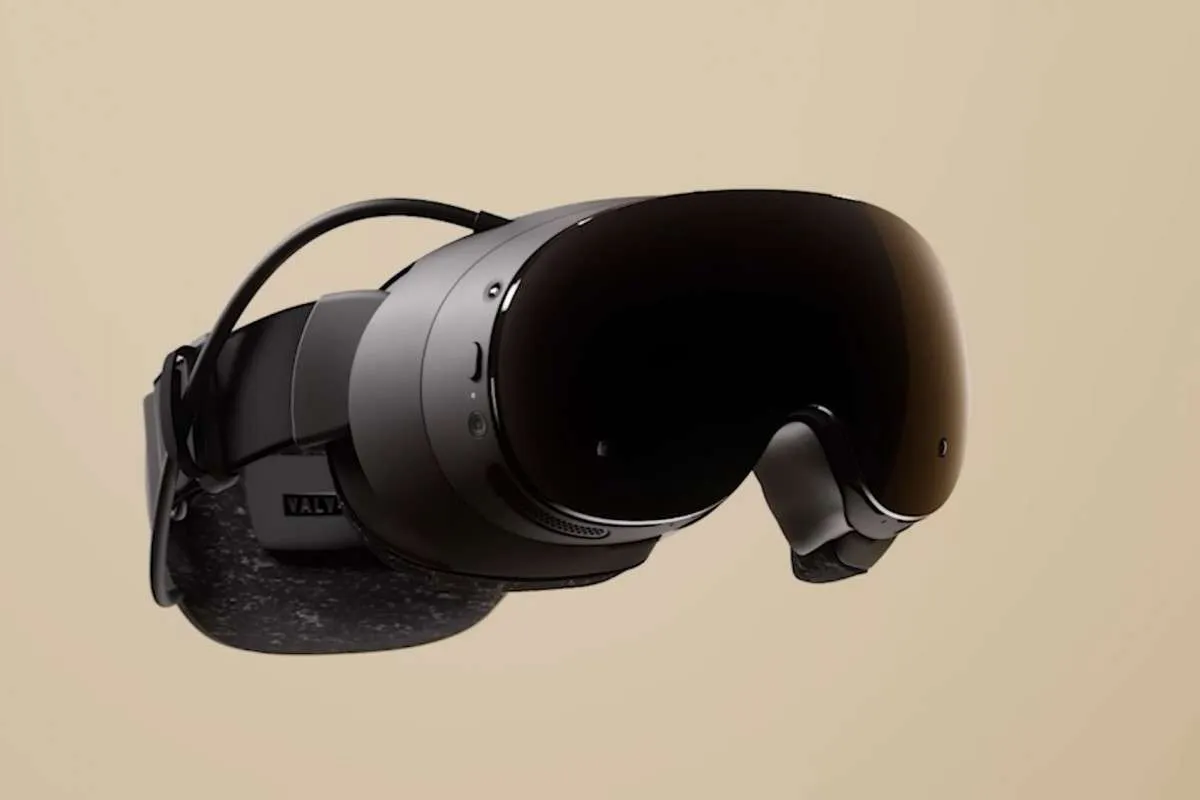
Years have passed since Valve launched its in-house VR headset, the Valve Index, in 2019, but the Steam operator has used that time to further develop its new Valve Steam Frame. This standalone headset sets a new standard for Valve’s VR efforts, offering features such as inside-out tracking, improved streaming support, integrated image processing, and even Android compatibility.
There’s so much more to the Valve Steam Frame that simply calling it a next-generation device would be an understatement. Valve is attempting to strike a balance between top-tier specifications and a product that’s more affordable than other headsets from manufacturers like Apple, Meta, and Samsung.
Following Valve’s announcement, we’ve compiled everything we know about the Valve Steam Frame, including the release window, full specifications, usage modes, controllers, and, of course, the price. Check back regularly, as we’ll be continuously updating this post with any new information Valve releases leading up to the Steam Frame’s launch in early 2026. If you’re planning to purchase Valve’s two hardware products in the near future, we also recommend checking out everything you need to know about the Steam Machine.
Valve Steam Frame Release Date
The Valve Steam Frame will be released in the first quarter of 2026. Like Valve’s new Steam Machine and the Steam Controller, there are no firm release dates yet for the Steam Frame. However, Valve promises that the new VR headset will be launched in early 2026, although the company later narrowed down the timeframe to the first quarter of 2026. This means the Steam Frame is expected to be released before March 31, 2026.
As with the Steam Deck, Valve plans to distribute the Steam Frame through Steam itself in currently supported regions. Some third-party retailers will cover additional regions. In short: If you can order a Steam Deck, you can also order a Steam Frame. Valve plans to expand distribution over time.
Valve Steam Frame Price
As with other hardware announcements, Valve failed to provide a price for the Steam Frame. Unlike its predecessor, the Index, the Steam Frame is a standalone headset with integrated graphics, which will affect the price. Since many components used in VR headsets have become cheaper over time, the price is difficult to predict, especially considering the original price of $1,000 (€868) for the Valve Index.

A look at the specifications clearly shows that the Steam Frame is an advanced VR headset, which will likely be reflected in the price. However, compromises have been made that may reduce costs, such as the use of LCD instead of OLED displays or monochrome front cameras instead of color cameras. Until Valve announces a price, however, we can only speculate.
Valve Steam Frame Features
Unlike Valve’s previous VR headsets, the Steam Frame is a standalone headset. It boasts integrated processing power thanks to a powerful Snapdragon 8 Gen 3 ARM64 chip, the same kind found in flagship Android smartphones. This means two things: First, the Steam Frame runs SteamOS natively.
Valve has worked intensively to get SteamOS running on ARM for the first time and to enable translation into the Linux operating system, similar to how Proton does this for x86 applications. This allows games to run natively. Second, the Steam Frame can run Android apps, which Valve says is fully supported. Combined with 16 GB of integrated LPDDR5X RAM, the Steam Frame is a powerful device. Valve demonstrates this by running Half-Life: Alyx natively on it.
Native gameplay is just one of the ways Valve intends to utilize the Steam Frame. Each headset includes a streaming dongle that lets you stream gameplay from a nearby PC to the Steam Frame – whether it’s native VR titles or traditional games you want to play on a larger screen within the headset.
The dongle establishes a stable 6 GHz connection to the Valve Steam Frame. The headset itself features two antennas for improved data transmission. One antenna is primarily responsible for streaming video and audio data, while the other handles your standard network connection. This improves streaming performance at higher bitrates, thereby enhancing the stability and image quality of streamed games compared to previous solutions from Valve and its competitors.
The Valve Steam Frame is equipped with two 2160-2160 PCD displays (per eye) and uses a special pancake lens that provides a wide 110-degree field of view. The interpupillary distance (IPD) can be easily adjusted via a dial on the top of the device and locked in place with a button on the bottom. Thanks to the included spacer, the Valve Steam Frame can also be used with glasses (Valve plans to offer prescription lenses after the launch).
Two speakers per ear are located on the sides of the headband. Positioning the battery on the back of the headband contributes to the headset’s optimal balance, ensuring greater comfort even during extended gaming sessions. The headset weighs only 185 g, or approximately 440 g with the included headband.
While the Valve Index used external cameras for precise tracking of controller and body movements, the Valve Steam Frame, like most competing products, relies on inside-out tracking. The headset features four outward-facing monochrome cameras with infrared illumination for improved tracking and a passthrough function in the dark. The passthrough mode is also monochrome and can be activated at any time. Valve provides expansion ports on the front of the headset for future peripherals or cameras.
In addition to numerous cameras for eye tracking, the headset also includes two more for pupil tracking. These low-latency cameras continuously monitor your gaze direction and use this information for Valve’s Foveated Streaming technology. Similar to Sony’s PlayStation VR 2, the Valve Steam Frame can dynamically adjust the image sharpness to your viewing direction and direct streaming resources specifically to the areas actually being viewed, rather than to the periphery. According to Valve, this improves image detail by almost ten times and works automatically for all Steam games, as the optimization is performed hardware-wise within the Steam Frame.
Valve Steam Frame Technical Specifications
- 4 nm ARM64 Snapdragon 8 Gen 3
- 256 GB / 1 TB UFS storage options, microSD card slot for storage expansion
- Rechargeable 21.6 Wh lithium-ion battery
- A USB-C 2.0 port on the back for charging and data transfer
- USB-C charging, 45 watts
- The headband features integrated dual audio drivers and a rechargeable battery on the back.
- Headband weight: 245 g
- The core module can be detached from the headband to allow for other headband solutions.
- 2160 x 2160 LCD (per eye)
- Refresh rate 72–144 Hz (144 Hz experimental)
- Special pancake lenses
- Optical elements made of glass and other materials
- Large field of view (up to 110 (Grad)
- 4 outward-facing monochrome cameras for controller and headset tracking
- 2 inward-facing cameras for eye tracking and foveated streaming
- User-accessible front panel expansion port
- Dual high-speed camera interface (8 lanes @ 2.5 Gbps MIPI) / PCIe Gen 4 interface (1 lane)
- Wi-Fi 7.2.2, dual radio modules enable simultaneous 5 GHz Wi-Fi and 6 GHz VR streaming. A wireless adapter is included.
- Wi-Fi 6E (6 GHz) provides a direct, low-latency connection between the headset and PC.
- Bluetooth 5.3
- 2.4 GHz dedicated connection for Steam Frame controllers
- 440 g – Core module + headband
- 185 g – Core module
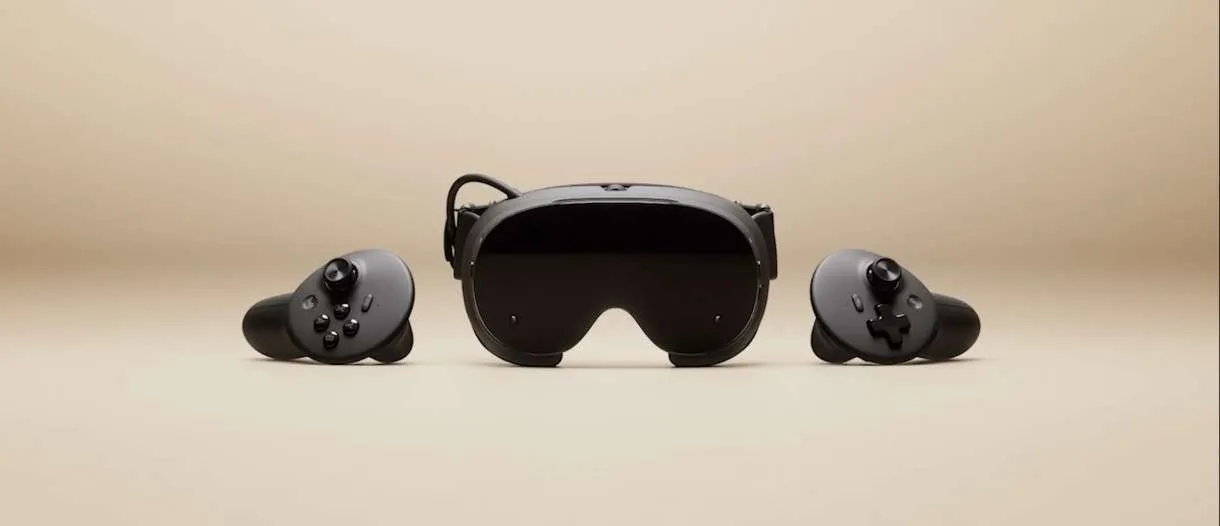
The Valve Steam Frame controllers will feel very familiar if you’ve used another VR headset in the last five years—and for good reason. Their shape and size allow for precise tracking while providing ample space to grip and reach all the buttons.
Input options are also unrestricted: They offer everything you need to play all VR and traditional games on the Steam Frame without having to resort to a conventional gamepad.
The controllers also offer all the features of the previous Valve Index controllers: capacitive finger tracking (and similar knuckle straps that allow for operation without direct gripping) as well as support for AA batteries for up to 40 hours of playtime per charge. Like the new Steam Controller, the Valve Steam Frame Controller also features magnetic TMR analog sticks, which offer a longer lifespan than conventional and even Hall-effect analog sticks.
Valve Steam Frame Controller Technical Specifications
- A, B, X, and Y Buttons (Right Controller)
- D-Pad (Left Controller)
- Full Magnetic Analog Sticks (TMR) with Capacitive Touch Function
- L & R analog triggers
- Left and right bumpers
- View / Menu / Steam buttons
- Two-stage grip buttons
- Capacitive touch sensors for all input surfaces
- Capacitive fingerprint tracking
- With battery: 130 g per controller
- Without battery: 107 g per controller
- Power:
- One replaceable AA battery per controller
- 40 hours of battery life


