Samsung Galaxy Z Flip7 FE test with Exynos 2400
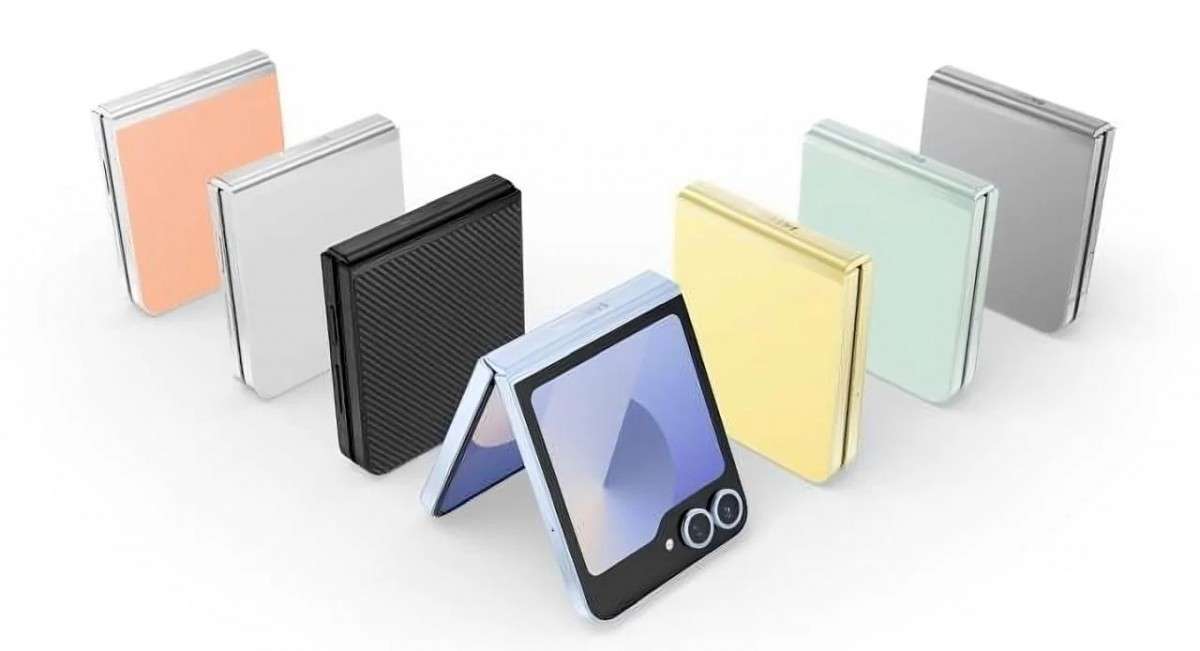
Samsung is working on a foldable Flip Fan Edition, if leaks from the last few months are to be believed. The Samsung Galaxy Z Flip7 FE appeared in a benchmark test on Geekbench today. A not very popular chipset came to light – the in-house Exynos 2400.
You should pay attention to the details: It was not the 2400e that came onto the market last year in the Galaxy S24 FE, but the normal Exynos 2400 with full Perfomance. It is precisely this chipset that powered the international versions of the Galaxy S24 and S24+, which were released in January came onto the market last year.
Samsung Galaxy Z Flip7 FE: Enough power, but no records
While that was quite a long time ago in the mobile world, it was a flagship chipset back then. Therefore, the affordable Galaxy Z Flip7 FE should have more than enough power under the hood. At least the result of the benchmark test doesn’t look bad at all. 1,930 single-core points and 6,276 multi-core points are not on Snapdragon 8 Elite Level – Qualcomm’s top chip is around 50% faster. However, the Exynos 2400 is also significantly cheaper than the SD 8 Elite, which costs over $200 per unit.

The chip in the Samsung Galaxy Z Flip7 FE prototype that ran the benchmark test also had 8GB of RAM and Android 16 under the hood. The last point suggests that One UI 8 was also on board. But he also tells us that the new flip won’t come in the short term. It could instead be bundled with the Samsung Galaxy Z Fold7 and Galaxy Z Flip7 will be presented in early July or thereafter. However, an earlier date is unlikely, as Google is not expected to release Android 16 until June.
Last week, another leak also discussed the technical data of the Samsung Galaxy Z Flip7 FE. Accordingly, it should be based on the Snapdragon 8 Gen 3 chipset. Either this leak was false or Samsung is planning to launch the device with two different chips in different regions. In fact, that wouldn’t be all that surprising, since the entire Galaxy S25 series uses Qualcomm chips – Samsung’s own Exynos production has to be installed somewhere.


