“The Mandalorian and Grogu” contains a secret Jon Favreau Easter egg
The premiere of The Mandalorian on Disney+ in 2019 ushered in a new era for Star Wars. Fans were captivated by Baby Yoda, later officially named Grogu, and the relationship between the Force-sensitive foundling and the stoic bounty hunter Din Djarin. Jon Favreau’s cinematic version, The Mandalorian and Grogu, feels in some ways like an extended episode of the series, but adapting the TV show for the big screen required a tremendous effort. Now, The Mandalorian and Grogu is about to make its streaming debut on Disney+.
Rotta the Hutt is based on a sea elephant
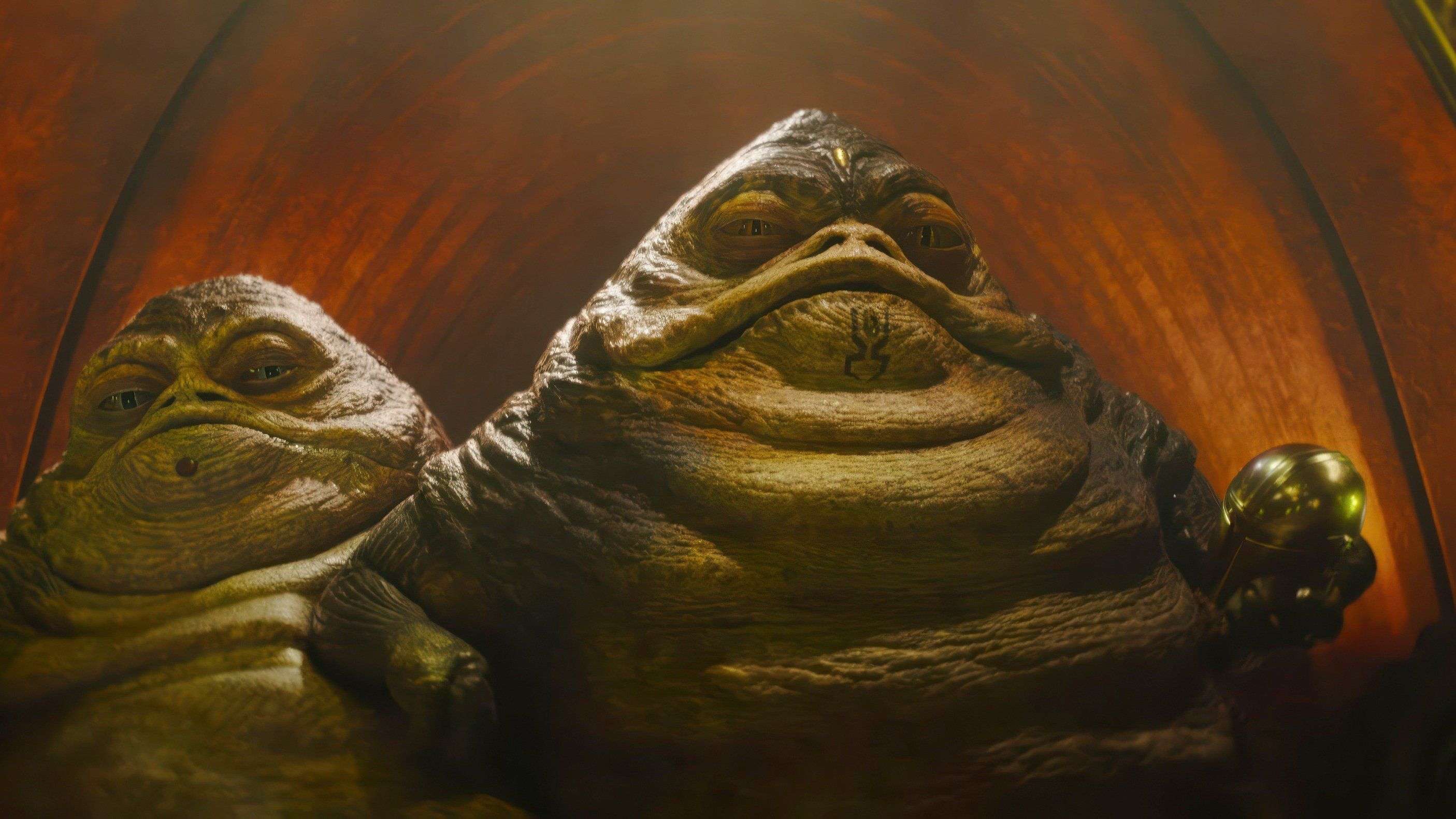
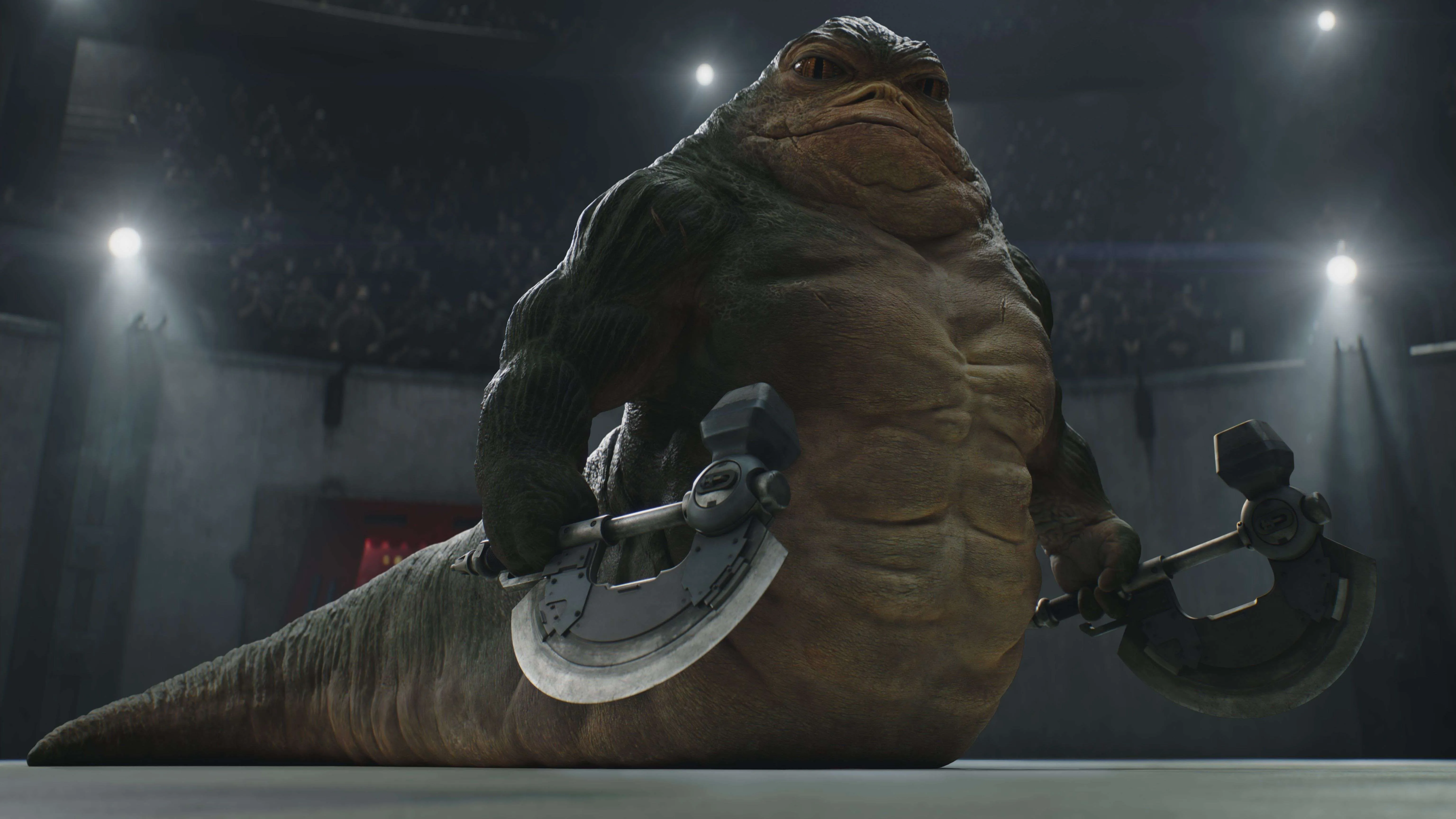
John Knoll, Senior Visual Effects Supervisor at Lucasfilm’s Industrial Light & Magic, said that designing Jabba the Hutt’s gladiator son Rotta was one of the film’s biggest challenges. Their main point of reference was elephant seals, which can weigh up to four tons and fight for territory on the beach during mating season.
The fight between Rotta and the twins was staged following the model of these fights that Knoll had seen in National Geographic nature documentaries.
Legacy Effects built a physical Rotta head that was used on set for filming, but the character’s appearance changed in post-production.
Background
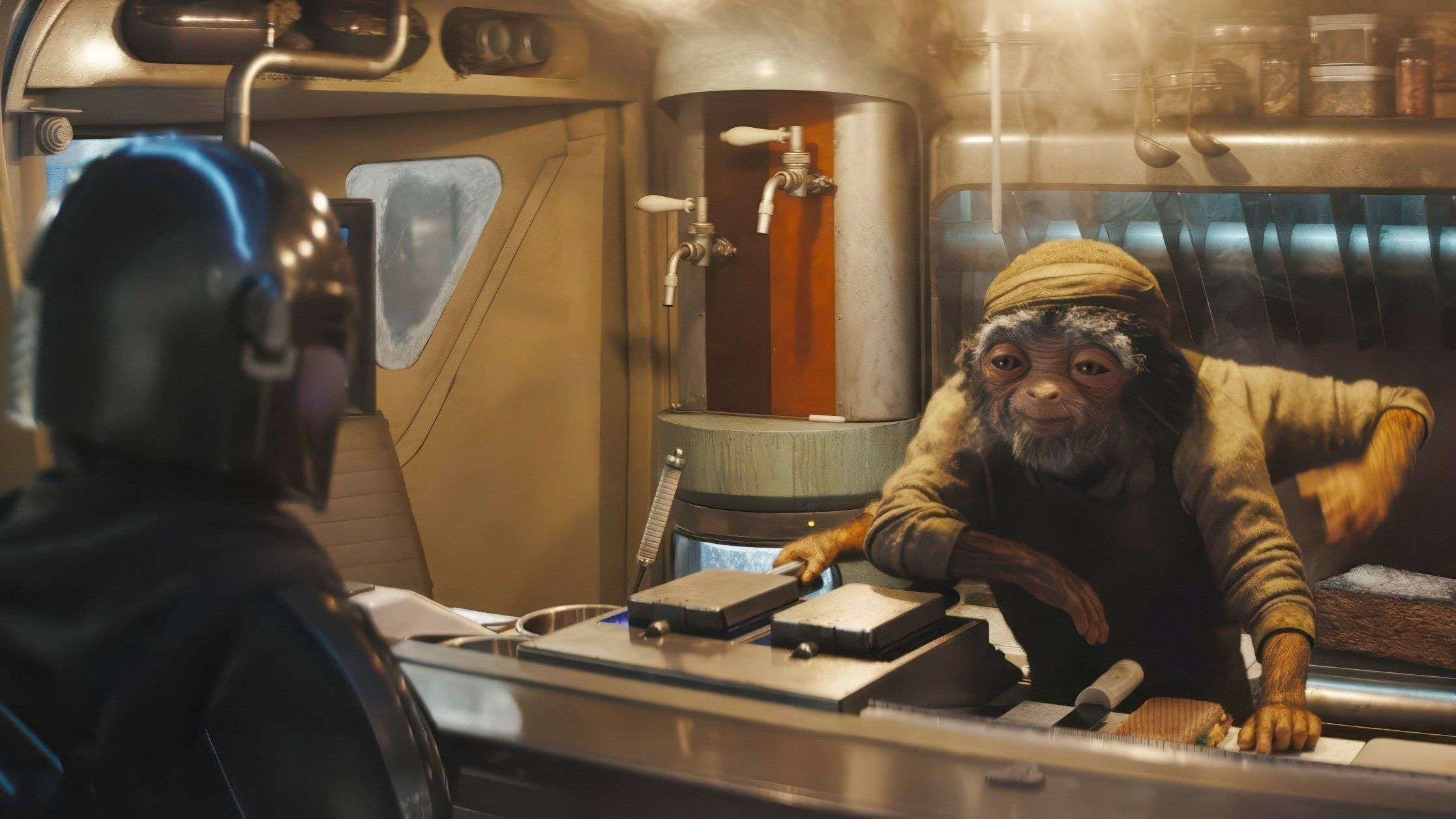
Favreau wrote, directed, and starred in the 2014 film *Chef*, about a celebrity chef who sells Cuban sandwiches from a food truck. Roy Choi, the creator of the Kogi food truck, co-produced the film and designed all the menus. Favreau again commissioned Choi to develop the sandwich that Hugo Durant (Martin Scorsese) prepares in a food truck in *Shakari*, and to collaborate with the props team on the truck’s design. The truck was showcased at the D23 Expo and will also be featured as a display in the Disney parks.
Hugo Durant is related to Rio Durant, the Ardenese pilot played by Favreau in Solo: A Star Wars Story. Lucasfilm’s Executive Creative Director Doug Chiang and his team worked on adapting the alien’s eye and face design to make it more like Scorsese’s.
Virtual Reality for the IMAX version of The Mandalorian and Grogu
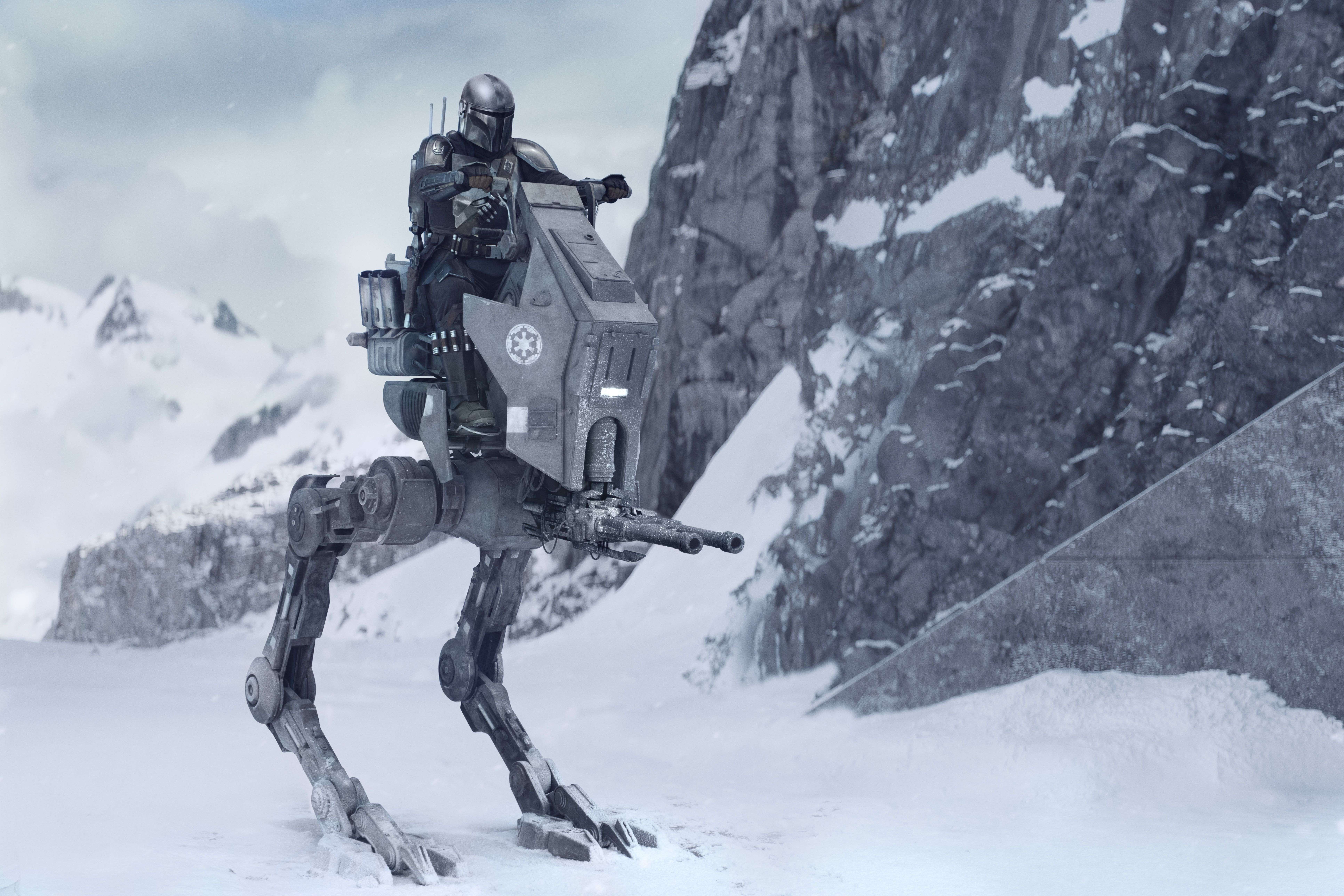
Knoll explained that when producing a streaming series, a large monitor is used to assess image composition and simulate how the show will look to viewers at home. However, The Mandalorian and Grogu was filmed for IMAX, which has its own set of rules. The large screen occupies a greater portion of the peripheral vision, so filmmakers must ensure that viewers don’t have to turn their heads to follow the action.
The team developed an app for Apple Vision Pro to view live footage of The Mandalorian and Grogu through a VR headset, allowing viewers to see it as it would appear on an IMAX screen. They also used the app in post-production to guide their editing decisions and create the best possible experience for IMAX audiences.
The Mandalorian and Grogu is now available on Disney Plus.


