Valve faces second lawsuit over “illegal gambling” loot boxes
In February, the New York Attorney General Letitia James filed a lawsuit against Valve because of the use of loot boxes in its games and described them as “the epitome of gambling.” Now a similar class-action lawsuit is looming in Washington state.

The law firm Hagens Berman filed a lawsuit on Monday, accusing the company of “knowingly operating illegal gambling through its loot box system,” according to a press release. Steve Berman, founder and managing partner of Hagens Berman, stated: “Players used these games for entertainment and were unaware that Valve had allegedly already manipulated the odds to their disadvantage. We will hold Valve accountable and ensure that consumers get their money back.”
Is Valve using Counter-Strike for gambling purposes?
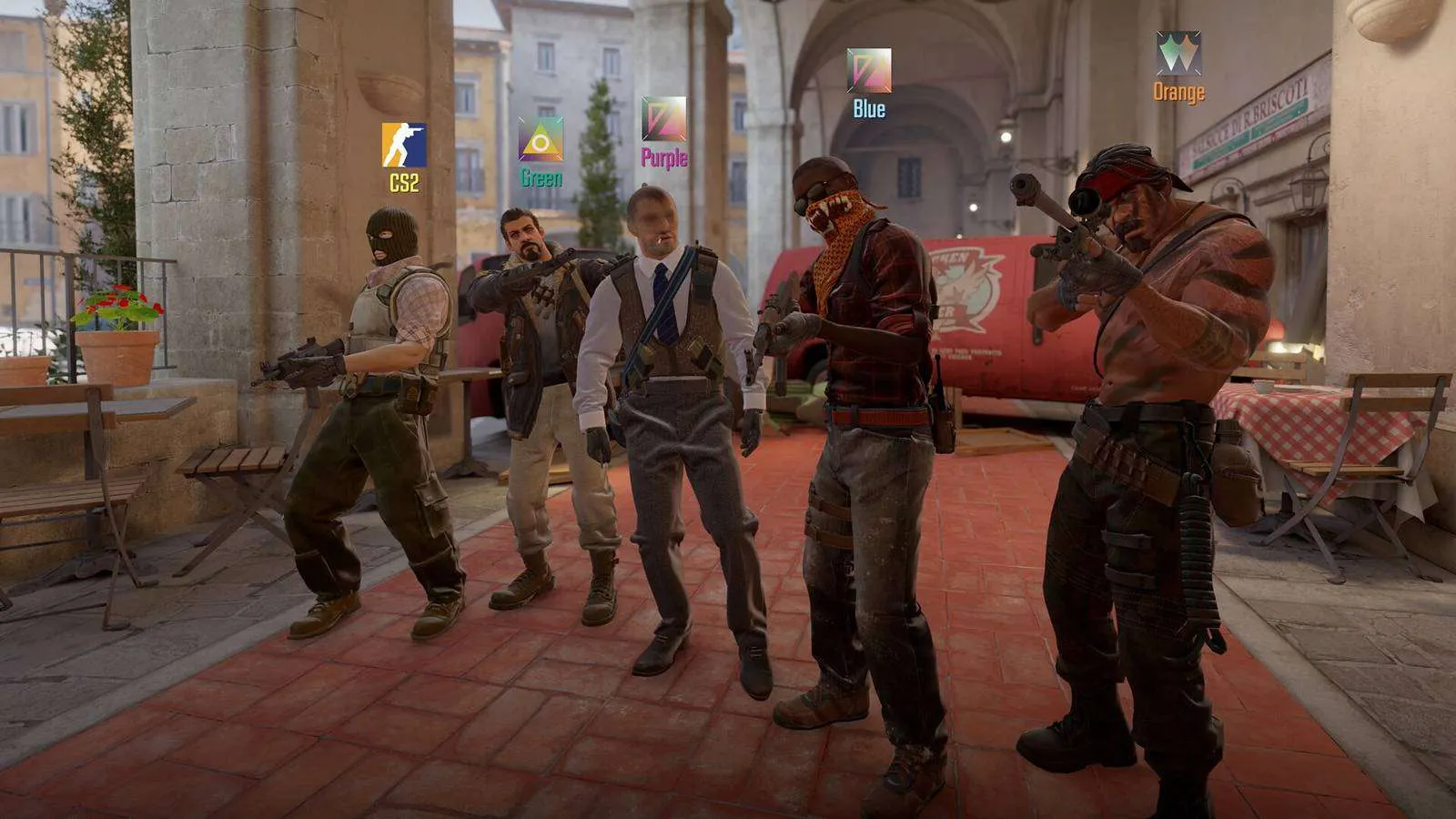
Hagens Berman cites games such as the Counter-Strike series (including Counter-Strike 2 and C: Global Offensive), Dota 2 and Team Fortress 2 as titles where “Valve may have profited from illegal gambling”.
Loot boxes are widespread in numerous paid and free multiplayer and single-player games. Typically, players pay real money for a loot box containing random items such as character or weapon skins. In games like Counter-Strike 2, loot boxes are given away as gifts and unlocked via purchasable keys. The items they contain often have varying rarity levels and, in some cases, can be resold on third-party marketplaces for exorbitant sums of real money. Last fall, an update for Counter-Strike 2 made it easier to obtain certain very rare items in the game, severely impacting the cosmetic item market.
The new lawsuit accuses the studio of intentionally designing its loot box system to resemble a casino experience. This includes slot machine-style graphics and psychological tricks designed to encourage users to continue spending money to open loot boxes. The lawsuit describes the loot boxes as a “deliberately and carefully crafted revenue model.” Valve profits from both the sale of a key and a commission on the resale of an item on the Steam Community Market. Further details can be found in the full class-action lawsuit.
Similar to the lawsuit in New York State, part of the class-action lawsuit in Washington argues that opening these loot boxes, which the lawsuit claims is a form of illegal gambling, is particularly harmful to children. “Valve knew that children were involved in these transactions,” Berman said. “Instead of protecting young players through age verification or parental consent, we believe they rigged the game to extract more money from them.”
Valve has not publicly commented on either lawsuit. It remains to be seen whether further lawsuits will be filed against other game companies with similar loot box models.


