Apple iPhone Duo tests: Both “entertaining” and “frustrating”
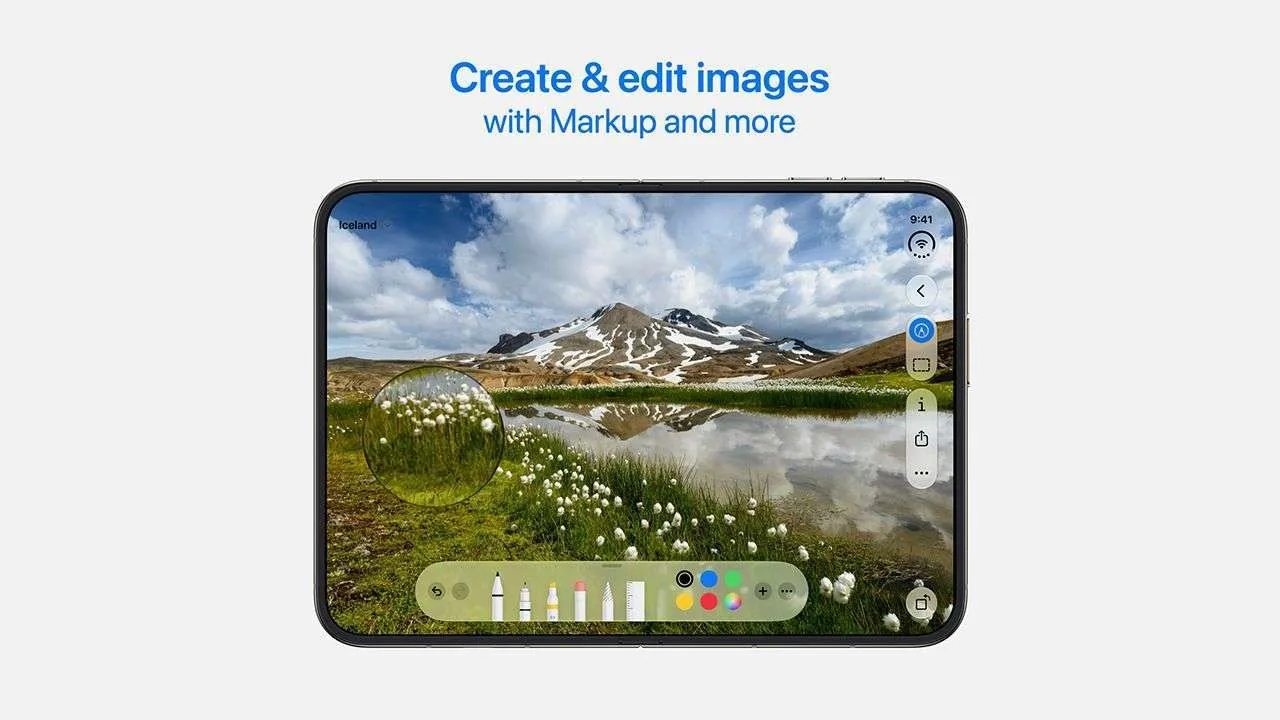
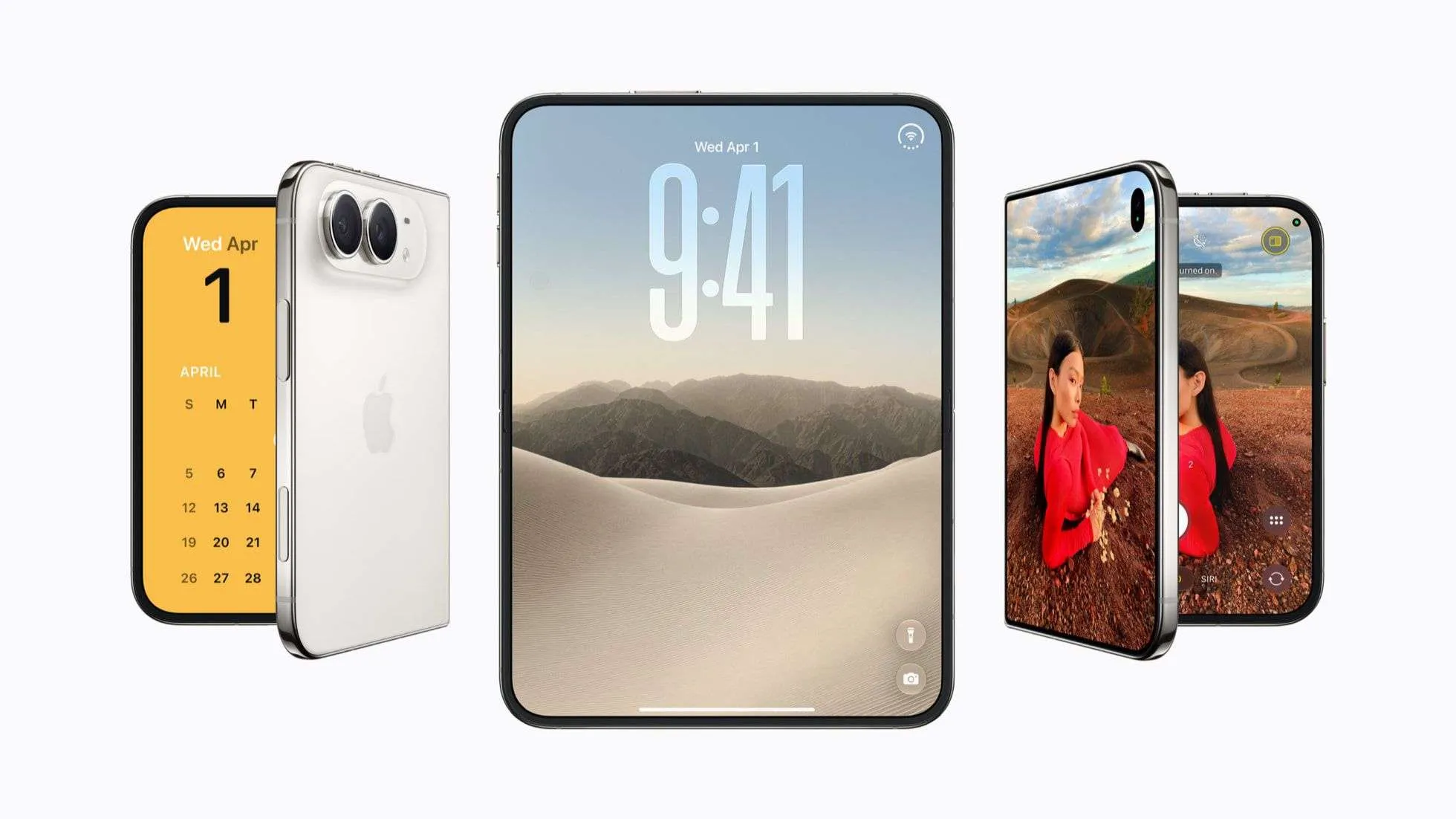
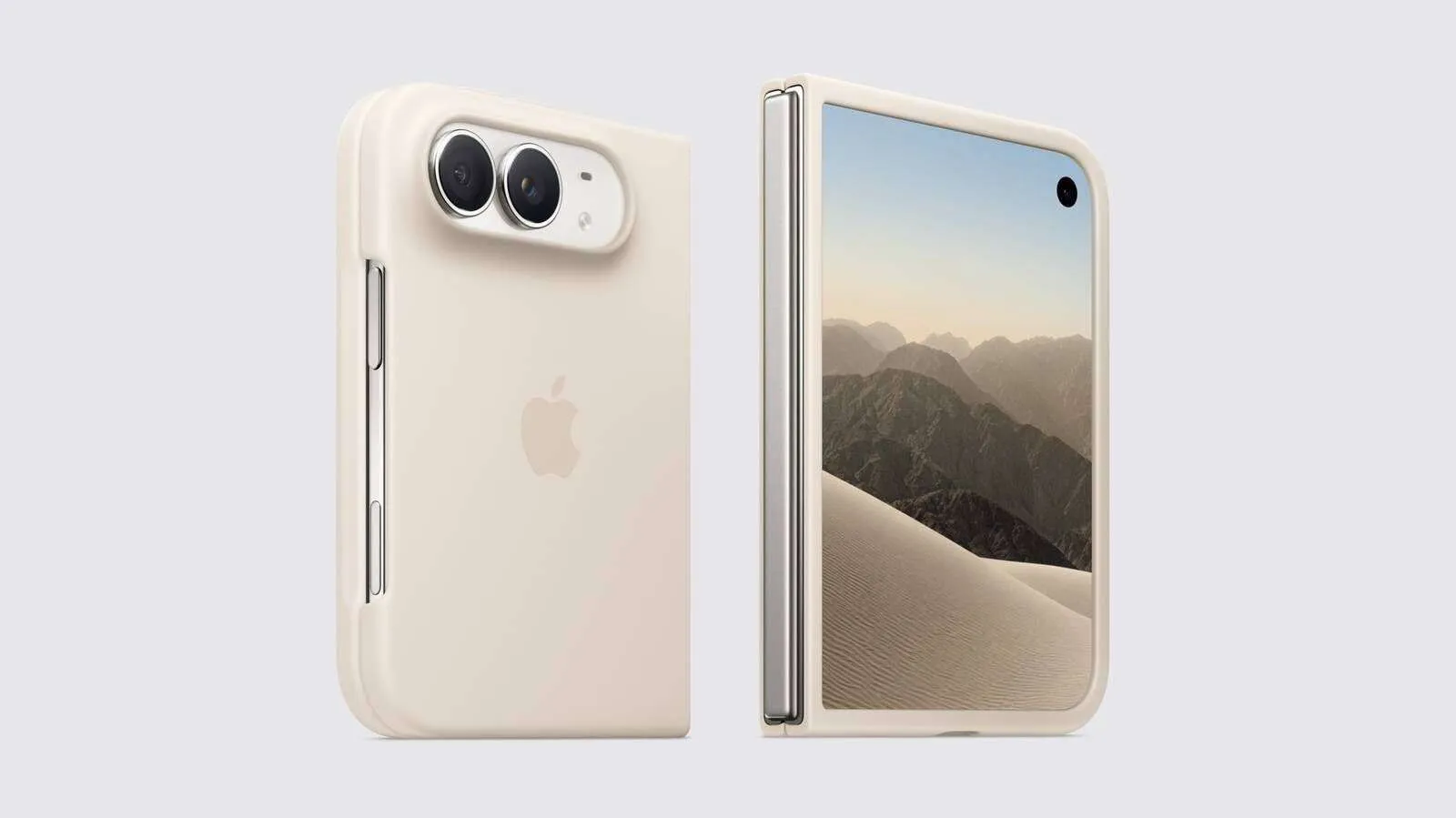
The first reviews of the Apple iPhone Duo have been published, giving us a closer look at the foldable device ahead of its launch this Friday. Nilay Patel and Allison Johnson of The Verge described the iPhone Duo as an expensive, compromised, yet fun first-generation product.
It’s expensive, full of compromises, and can be incredibly frustrating. Switching back from the Duo to one of our traditional smartphones to quickly get something done was often a relief. Sometimes you just need an iPhone that does what you need it to do—which is why Apple has been so risk-averse when it comes to making changes.
But all the risk and the unique nature of the Duo also contribute to its appeal, as is the case with the best early adopter devices. As a product, it’s not yet fully mature, but the concept is so well-developed that one can anticipate its future evolution. It’s reminiscent of the very first MacBook Air, which initially failed to take the industry by storm – only a complete redesign brought Apple to the forefront, and then it conquered the entire sector.
Raymond Wong of Gizmodo on the impressive performance of the A20 Pro chip in the iPhone Duo:
After testing the iPhone 18 Pro and 18 Pro Max last month, I didn’t notice any significant performance slowdown with the iPhone Duo. The foldable smartphone features the same A20 Pro chip with a 6-core CPU, 7-core GPU, and two 16-core Neural Engines. Unlike the comparison between the iPhone Air and iPhone 17 Pro, where the Air has one less GPU core and throttles under sustained use due to its thinness and lack of a vapor chamber for cooling, the iPhone Duo’s vapor chamber, while smaller than the iPhone 18 Pro’s, still provides effective cooling. According to Apple, this enables up to 35% higher sustained performance than the iPhone 17 Pro, preventing stuttering or lag, even when apps are utilizing all CPU and GPU cores.
This responsiveness is confirmed by the single-core and multi-core results from Geekbench 7, the standard benchmark app for measuring a device’s CPU and GPU performance. The iPhone Duo and iPhone 18 Pro achieved nearly identical scores (averaged across three tests): 4,002 points in the single-core test and 10,728 points in the multi-core test. The GPU test also yielded almost the same result: 60,608 points. I performed the same CPU and GPU tests with the Galaxy Z Fold 8, the iPhone Duo’s direct Android competitor. The CPU of the Qualcomm Snapdragon 8 Elite Gen 5 for Galaxy chip only achieved 3,112 points in the single-core test. In the multi-core test, it performed almost as well with 10,438 points. However, the Z Fold 8’s GPU only managed a meager 17,331 points in the GPU test. This means that the Z Fold 8 is 22% less powerful in single-core performance and even 71% less powerful in GPU performance.
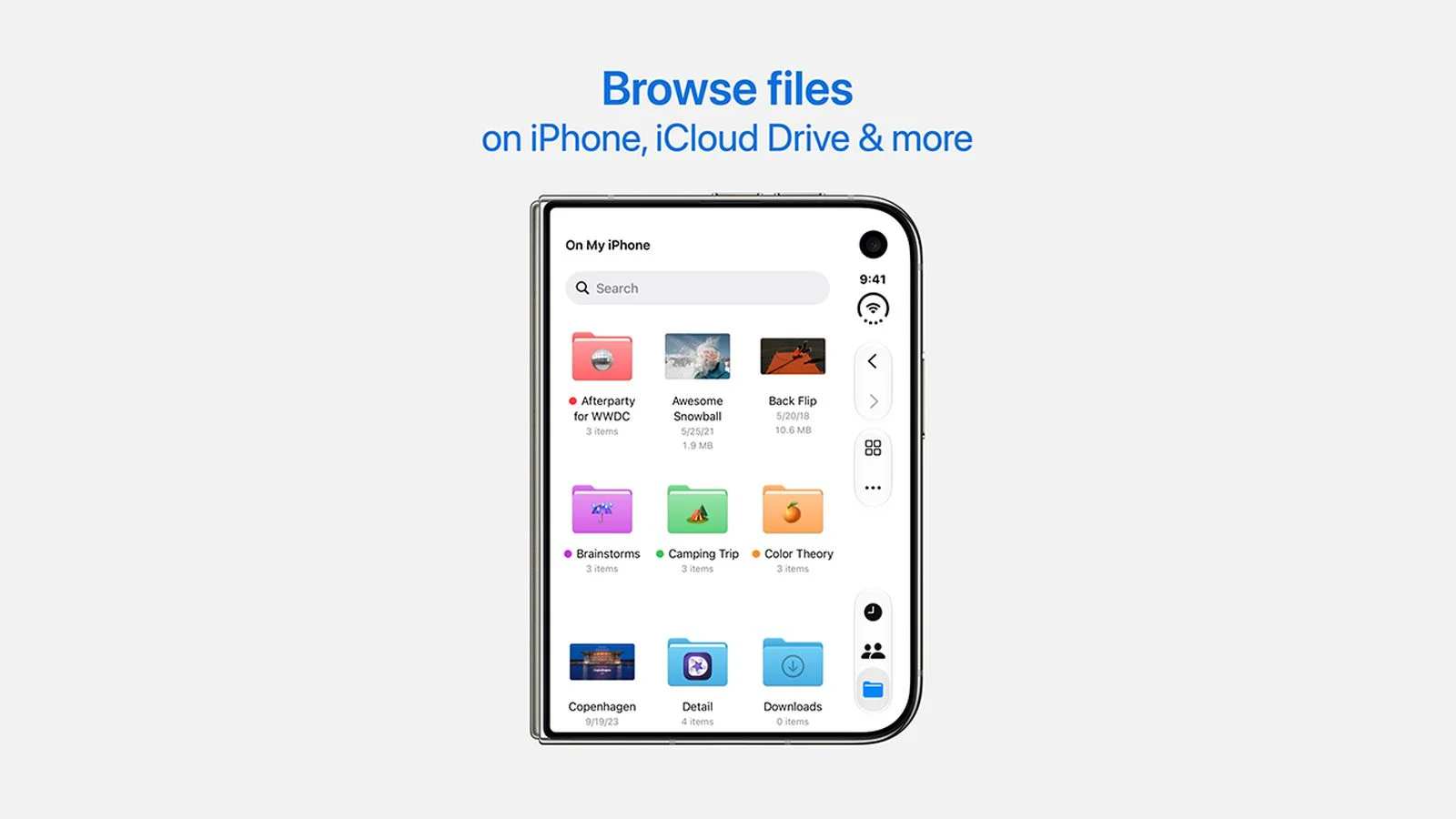
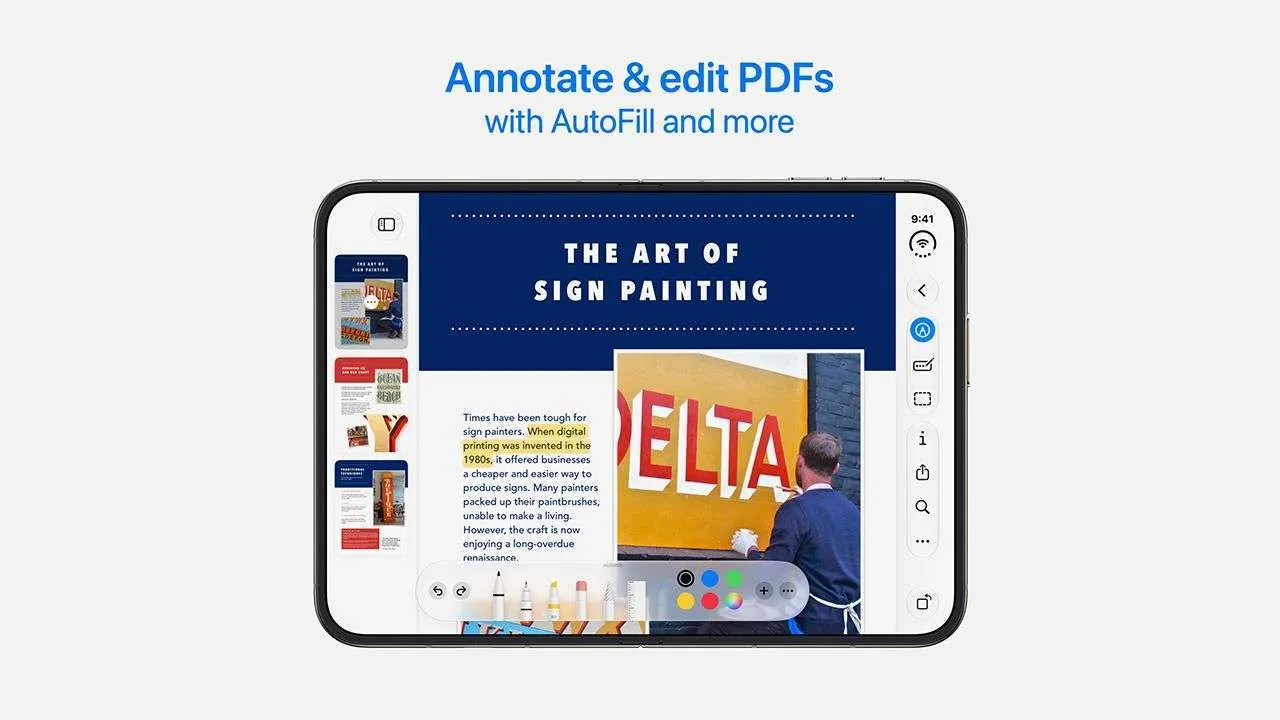
Julian Chokkattu of WIRED said that many third-party apps in the App Store still need to be updated to support the full width of the iPhone Duo’s inner display:
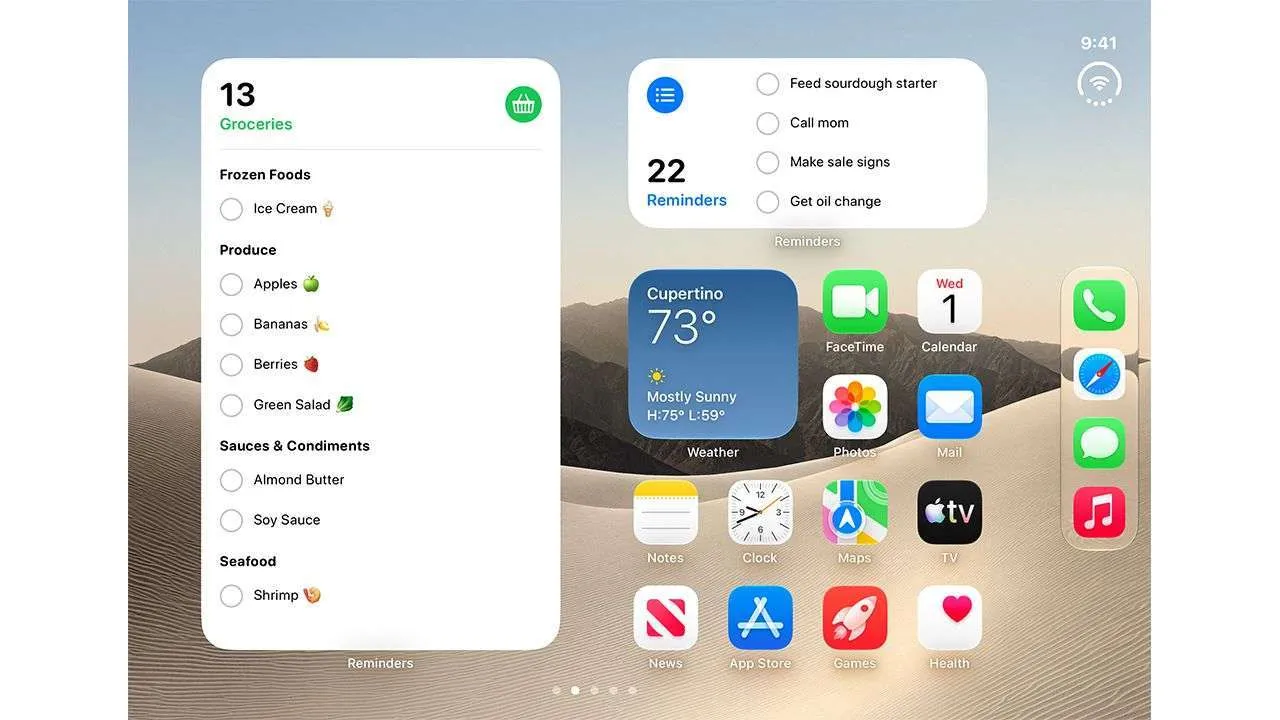
Last week I spent a lot of time thinking about wasted space. Sometimes I questioned Apple’s decision to move all the iOS navigation elements to the right-hand column – some apps waste so much space! Then I use an app that makes optimal use of that space, and I’m happy. That’s probably my most important takeaway. Anyone wanting to try Apple’s first foldable smartphone should wait a few months until the developers have optimized their apps.
In the meantime, apps that are not optimized for the device are displayed with black bars on the left and right. However, Apple is working on it and has just announced the next batch of optimized apps.
Of course, some customers may still have to wait a few months for the iPhone Duo, as delivery dates for pre-orders range from November to January, though some may be brought forward. By then, more apps will have been recompiled with the iOS 27.1 SDK.
Abrar Al-Heeti of CNET on using the outer and inner displays of the iPhone Duo:
Despite its compact 5.4-inch external display, the Duo doesn’t feel cramped. I can comfortably do almost everything I would do with a conventional smartphone, just in a smaller format. The keyboard is generously sized and occupies about half of the external display, making typing smooth and easy. I didn’t make any more typos than usual. For less complex tasks like checking emails, writing texts, ordering an Uber, or taking photos, I mostly use the external display.
When I’m doing something that requires more time or effort, I unfold the Duo to use its 7.6-inch internal display. This applies, for example, to working in Google Docs, watching YouTube videos, streaming, scrolling through the Photos app, or multitasking. Reading is a pleasure thanks to the Duo’s matte display and is particularly easy on the eyes, even outdoors. The FaceTime camera, hidden beneath the display and virtually invisible when not in use for calls or photos, also provides a more immersive user experience without a distracting black spot on the screen.
Chance Miller of 9to5Mac said it takes time to get used to Touch ID instead of Face ID:
The switch from Face ID to Touch ID was the biggest adjustment for me with the iPhone Duo. I’m so used to simply looking at my iPhone to unlock it. Having to consciously press the side button feels like a step backward, even though Touch ID works quickly and reliably.
One advantage I really appreciate: Touch ID is much easier to use when the iPhone is lying flat on a table. Instead of picking up the iPhone to unlock it with Face ID, you can simply place your finger on the Touch ID sensor and quickly view the locked notifications.
The iPhone Duo also supports unlocking with the Apple Watch. If you enable this feature, you can swipe up on your iPhone Duo’s lock screen, and it will automatically unlock when you wear your Apple Watch (provided your Apple Watch is protected with a passcode and unlocked).
I used my iPhone Duo for the first few days without Apple Watch unlock enabled to get a feel for what it was like to use an iPhone with Touch ID again after almost ten years. Eventually, I enabled Apple Watch unlock, and it significantly improved the user experience.
Mark Spoonauer of Tom’s Guide conducted a battery life test, browsing the internet over 5G with a screen brightness of 150 nits until the battery was depleted. He said the iPhone Duo lasted 13 hours and 20 minutes.
The Samsung Galaxy Z Fold8 lasted 10 hours and 6 minutes, the iPhone 18 Pro Max 17 hours and 31 minutes.
- iPhone 18 Pro Max: 17 hours and 31 minutes
- iPhone Duo: 13 hours and 20 minutes
- Samsung Galaxy Z Fold8: 10 hours and 6 minutes
The iPhone Duo features two 48-megapixel rear cameras (Fusion Main and Fusion Ultra Wide), but no telephoto lens. Photographer Tyler Stalman has published a video review focusing on photography.
More Apple iPhone Duo video tests:
Source 1 / 2 / 3 / 4 / 5 / 6 / 7 / 8 / 9 / 10 / 11 / 12 / 13


